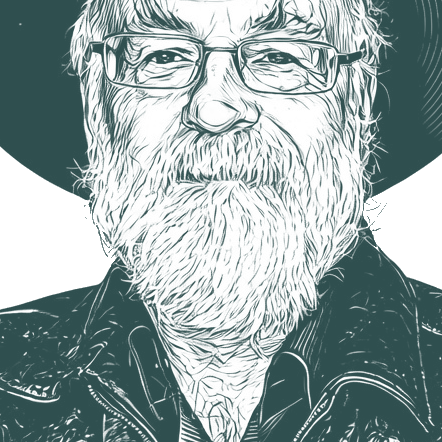
The first words that are read by seekers of enlightenment in the secret, gong-banging, yeti-haunted valleys near the hub of the world, are when they … - Terry Pratchett
""
The first words that are read by seekers of enlightenment in the secret, gong-banging, yeti-haunted valleys near the hub of the world, are when they look into The Life of Wen the Eternally Surprised.
The first question they ask is: 'Why was he eternally surprised?'
And they are told: 'Wen considered the nature of time and understood that the universe is, instant by instant, recreated anew. Therefore, he understood, there is in truth no past, only a memory of the past. Blink your eyes, and the world you see next did not exist when you closed them. Therefore, he said, the only appropriate state of the mind is surprise. The only appropriate state of the heart is joy. The sky you see now, you have never seen before. The perfect moment is now. Be glad of it.'
The first words read by the young Lu-Tze when he sought perplexity in the dark, teeming, rain-soaked city of Ankh-Morpork were: 'Rooms For Rent, Very Reasonable.' And he was glad of it.
Sir Terence David John "Terry" Pratchett, OBE (28 April 1948 – 12 March 2015) was an English humorist, satirist, and author of fantasy novels, especially comical works, most famous for his Discworld series.
Dickens, as you know, never got round to starting his home page.
"Blessings be on this house," Granny said, perfunctorily. It was always a good opening remark for a witch. It concentrated people's minds on what other things might be on this house.
PREMIUM FEATURE
Advanced Search Filters
Filter search results by source, date, and more with our premium search tools.