The angry reaction supports the academic literature on Appalachian Americans. In a December 2000 paper, sociologists Carol A. Markstrom, Sheila K. Ma… - JD Vance
""
The angry reaction supports the academic literature on Appalachian Americans. In a December 2000 paper, sociologists Carol A. Markstrom, Sheila K. Marshall, and Robin J. Tryon found that avoidance and wishful-thinking forms of coping “significantly predicted resiliency” among Appalachian teens. Their paper suggests that hillbillies learn from an early age to deal with uncomfortable truths by avoiding them, or by pretending better truths exist. This tendency might make for psychological resilience, but it also makes it hard for Appalachians to look at themselves honestly.
James David Vance (born James Donald Bowman; August 2, 1984) is an American politician, author, and venture capitalist. A member of the Republican Party, he was elected Vice President of the United States in the 2024 election. Previously he served as the junior United States senator from Ohio from 2023 to 2025.
Biography information from
Wikiquote·
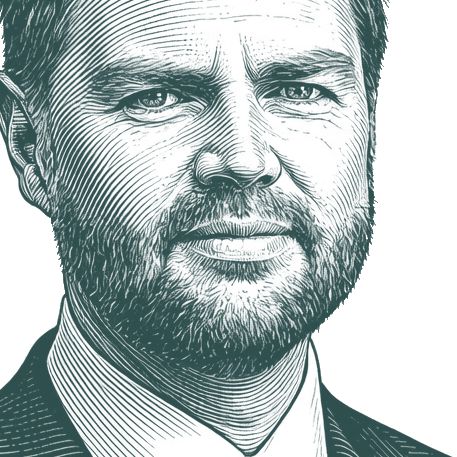
Portrait adapted from
Wikimedia Commons, Emily J. Higgins (Public domain / CC0)
Also Known As
Birth Name:
James Donald Bowman
Alternative Names:
J. D. Vance
•
James David Vance
•
J.D. Vance
•
James David Hamel
•
J. D. Hamel
•
Sen. J.D. Vance
•
Sen. J. D. Vance
•
Sen. JD Vance
•
Senator Vance
•
Senator J.D. Vance
•
Senator J. D. Vance
•
Sen. Vance
•
VP Vance
•
Vice President Vance
•
Vice President JD Vance
•
VP JD Vance
•
Senate President J.D. Vance
•
shillbilly
•
Vladimir Futon
•
Senate President JD. Vance
•
James David Aikins
Related quotes. More quotes will automatically load as you scroll down, or you can use the load more buttons.
Shorter versions of this quote
hillbillies learn from an early age to deal with uncomfortable truths by avoiding them, or by pretending better truths exist. This tendency might make for psychological resilience, but it also makes it hard for Appalachians to look at themselves honestly.
Their paper suggests that hillbillies learn from an early age to deal with uncomfortable truths by avoiding them, or by pretending better truths exist. This tendency might make for psychological resilience, but it also makes it hard for Appalachians to look at themselves honestly.
We are effectively run in this country, via the Democrats, via our corporate oligarchs, by a bunch of childless cat ladies who are miserable at their own lives and the choices that they’ve made, and so they want to make the rest of the country miserable, too. And it's just a basic fact. If you look at Kamala Harris, Pete Buttigieg, AOC — the entire future of the Democrats is controlled by people without children. And how does it make any sense that we've turned our country over to people who don't really have a direct stake in it? If we want a healthy ruling class in this country, we should invest more, we should vote more, we should support people who actually have kids, because those are the people who actually have a direct stake in the future of the country.
In 4 years, I hope people remember that it was those of us who empathized with Trump's voters who fought him the most aggressively.
Enhance Your Quote Experience
Enjoy ad-free browsing, unlimited collections, and advanced search features with Premium.
If your worldview tells you that it's bad for women to become mothers but liberating for them to work 90 hours a week in a cubicle at the New York Times or Goldman Sachs, you've been had.