The dandelion was long popularly known as the 'pissabed' because of its supposed diuretic properties, and other names in everyday use included 'mare'… - Bill Bryson
""
The dandelion was long popularly known as the 'pissabed' because of its supposed diuretic properties, and other names in everyday use included 'mare's fart', 'naked ladies', 'twitch-ballock', 'hounds-piss', 'open arse', and 'bum-towel'.
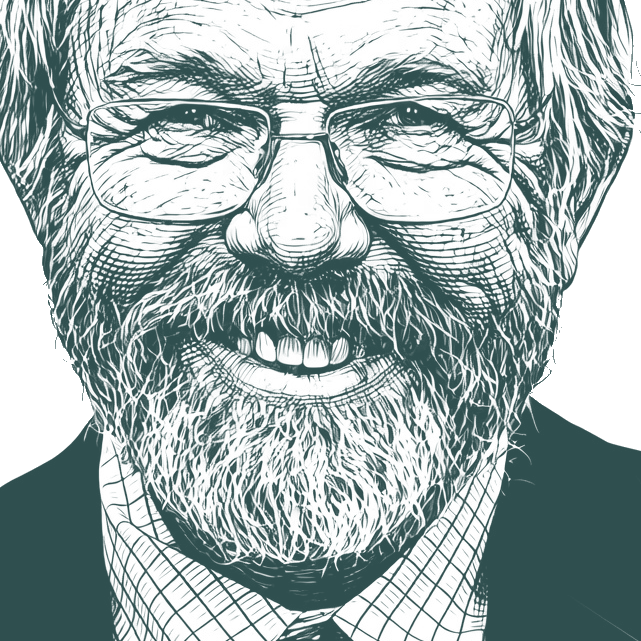
William "Bill" McGuire Bryson, OBE (born December 8, 1951) is a best-selling American author of humorous books on travel, as well as books on the English language and on scientific subjects.
Biography information from
Wikiquote·
Portrait adapted from
Wikimedia Commons, The National Churches Trust from London (CC BY)
Also Known As
Birth Name:
William McGuire Bryson
Alternative Names:
William Bryson
•
William "Bill" McGuire Bryson
As we parted at the Natural History Museum in London, I asked Richard Fortey how science ensures that when one person goes there's someone ready to take his place.
He chuckled rather heartily at my naiveté. 'I'm afraid it's not as if we have substitutes sitting on the bench somewhere waiting to be called in to play. When a specialist retires or, even more unfortunately, dies, that can bring a stop to things in that field, sometimes for a very long while.'
And I suppose that's why you value someone who spends forty-two years studying a single species of plant, even if it doesn't produce anything terribly new?'
'Precisely,' he said, 'precisely.' And he really seemed to mean it.
Even with the benefit of steroids most modern players still couldn't hit as many home runs as Babe Ruth hit on hotdogs.
"[Traveling] makes you realize what an immeasurably nice place much of America could be if only people possessed the same instinct for preservation as they do in Europe. You would think the millions of people who come to Williamsburg every year would say to each other, "Gosh, Bobbi, this place is beautiful. Let's go home to Smellville and plant lots of trees and preserve all the fine old buildings." But in fact that never occurs to them. They just go back and build more parking lots and Pizza Huts."