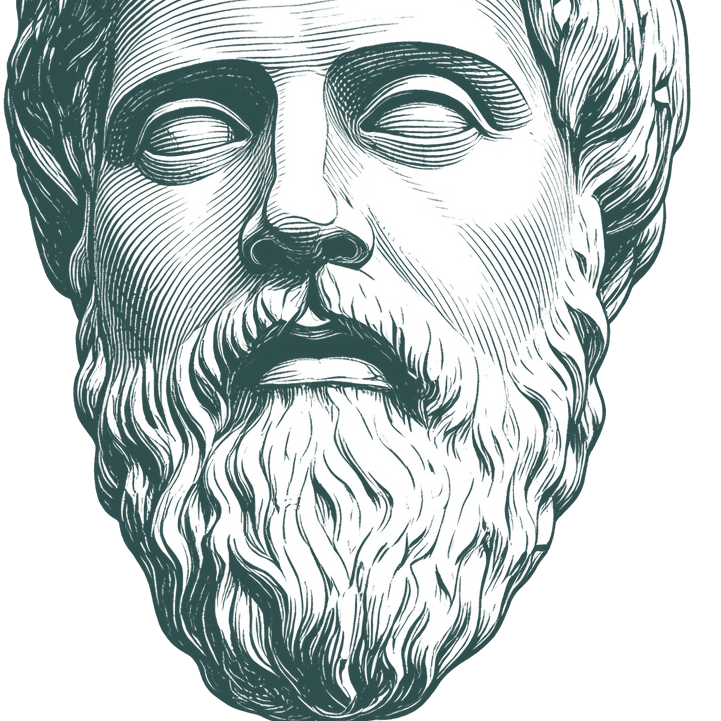
[The Spartans] should not make war often, or long, with the same enemy, lest that they should train and instruct them in war, by habituating them to defend themselves.
The two armies separated; and we are told that Pyrrhus said to one who was congratulating him on his victory, “If we are victorious in one more battle with the Romans, we shall be utterly ruined.” 10 For he had lost a great part of the forces with which he came, and all his friends and generals except a few; moreover, he had no others whom he could summon from home, and he saw that his allies in Italy were becoming indifferent, while the army of the Romans, as if from a fountain gushing forth indoors, was easily and speedily filled up again, and they did not lose courage in defeat, nay, their wrath gave them all the more vigour and determination for the war.
Nor had the cities of Sicily any trust in him, as they were in great distress, and greatly exasperated against those who pretended to lead armies to their succour, on account of the treachery of Kallippus and Pharax; who, one an Athenian and the other a Lacedaemonian, but both giving out that they were come to fight for freedom and to put down despotism, did so tyrannise themselves, that the reign of the despots in Sicily seemed to have been a golden age, and those who died in slavery were thought more happy than those who lived to see liberty.