English writer and lexicographer (1709–1784)
Samuel Johnson (18 September 1709 [7 September O.S.] – 13 December 1784) was a British author, linguist and lexicographer. He is often referred to as simply Dr. Johnson in the history of literature and is regarded as the greatest man of letters in English history.
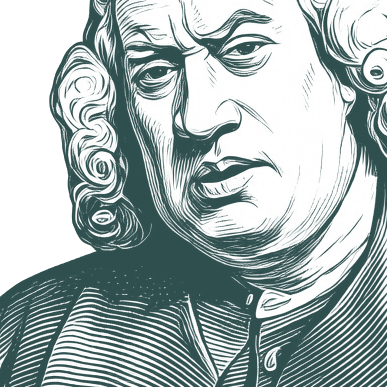
Bio from: Wikiquote (CC BY-SA 4.0) · Portrait adapted from: Wikimedia Commons, Joshua Reynolds (Public domain / CC0)
From Wikidata (CC0)

Works in ChatGPT, Claude, or Any AI
Add semantic quote search to your AI assistant via MCP. One command setup.
A man sometimes starts up a patriot, only by disseminating discontent, and propagating reports of secret influence, of dangerous counsels, of violated rights, and encroaching usurpation. This practice is no certain note of patriotism. To instigate the populace with rage beyond the provocation, is to suspend publick happiness, if not to destroy it. He is no lover of his country, that unnecessarily disturbs its peace. Few errours and few faults of government, can justify an appeal to the rabble; who ought not to judge of what they cannot understand, and whose opinions are not propagated by reason, but caught by contagion. The fallaciousness of this note of patriotism is particularly apparent, when the clamour continues after the evil is past.
Fancy can hardly forbear to conjecture with what temper Milton surveyed the silent progress of his work, and marked his reputation stealing its way in a kind of subterraneous current through fear and silence. I cannot but conceive him calm and confident, little disappointed, not at all dejected, relying on his own great merit with steady consciousness, and waiting, without impatience, the vicissitudes of opinion, and the impartiality of a future generation.
Enhance Your Quote Experience
Enjoy ad-free browsing, unlimited collections, and advanced search features with Premium.
It is the fate of those, who toil at the lower employments of life, to be rather driven by the fear of evil, than attracted by the prospect of good; to be exposed to censure, without hope of praise; to be disgraced by miscarriage, or punished for neglect, where success would have been without applause, and diligence without reward. Among these unhappy mortals is the writer of dictionaries, whom mankind have considered, not as the pupil, but the slave of science, the pioneer of literature, doomed only to remove rubbish and clear obstructions from the paths through which Learning and Genius press forward to conquest and glory, without bestowing a smile on the humble drudge that facilitates their progress. Every other author may aspire to praise; the lexicographer can only hope to escape reproach, and even this negative recompense has been yet granted to very few.