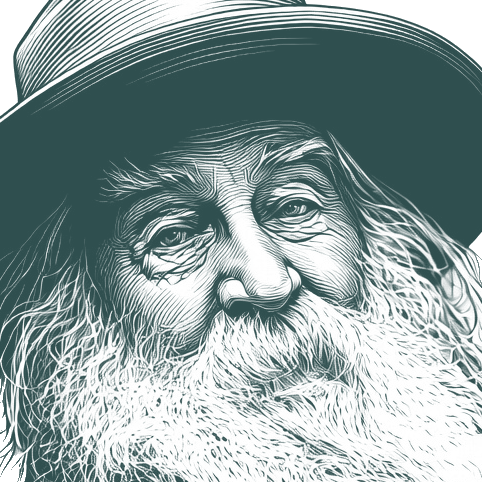
When I heard the learn’d astronomer;
When the proofs, the figures, were ranged in columns before me;
When I was shown the charts and the diagrams, to… - Walt Whitman
""
When I heard the learn’d astronomer; When the proofs, the figures, were ranged in columns before me; When I was shown the charts and the diagrams, to add, divide, and measure them; When I, sitting, heard the astronomer, where he lectured with much applause in the lecture-room, How soon, unaccountable, I became tired and sick; Till rising and gliding out, I wander’d off by myself, In the mystical moist night-air, and from time to time, Look’d up in perfect silence at the stars.
Related quotes. More quotes will automatically load as you scroll down, or you can use the load more buttons.
Shorter versions of this quote
When I, sitting, heard the astronomer, where he lectured with such applause in the lecture room, How soon, unaccountable, I became tired and sick; Till rising and gliding out, I wander'd off by myself, In the mystical moist night-air, and from time to time, Look'd up in perfect silence at the stars.
Youth, large, lusty, loving—Youth, full of grace, force, fascination! Do you know that Old Age may come after you, with equal grace, force, fascination?
The clock indicates the moment - but what does eternity indicate?
Limited Time Offer
Premium members can get their quote collection automatically imported into their Quotewise collections.