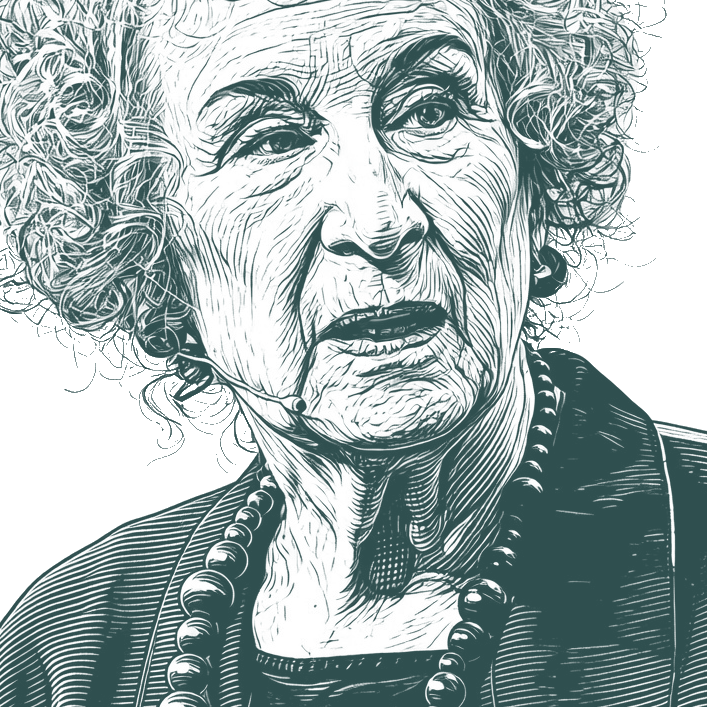
There are things I need to ask her. Not what happened, back then in the time I lost, because now I know that. I need to ask her why.
If she remember… - Margaret Atwood
""
There are things I need to ask her. Not what happened, back then in the time I lost, because now I know that. I need to ask her why.
If she remembers. Perhaps she’s forgotten the bad things, what she said to me, what she did. Or she does remember them, but in a minor way, as if remembering a game, or a single prank, a single trivial secret, of the kind girls tell and then forget.
She will have her own version. I am not the centre of her story, because she herself is that. But I could give her something you can never have, except from another person: what you look like from outside. A reflection. This is part of herself I could give back to her.
We are like the twins in old fables, each of whom has been given half a key.
The world is being run by people my age, men my age, with falling-out hair and health worries, and it frightens me. When the leaders were older than me I could believe in their wisdom, I could believe they had transcended rage and malice and the need to be loved. Now I know better. I look at the faces in newspapers, in magazines, and wonder: what greeds, what furies drive them on?
Time folds you in its arms and gives you one last kiss, and then it flattens you out and folds you up and tucks you away until it's time for you to become someone else's past time, and then time folds again.
You don't believe the sky is falling until a chunk of it falls on you.