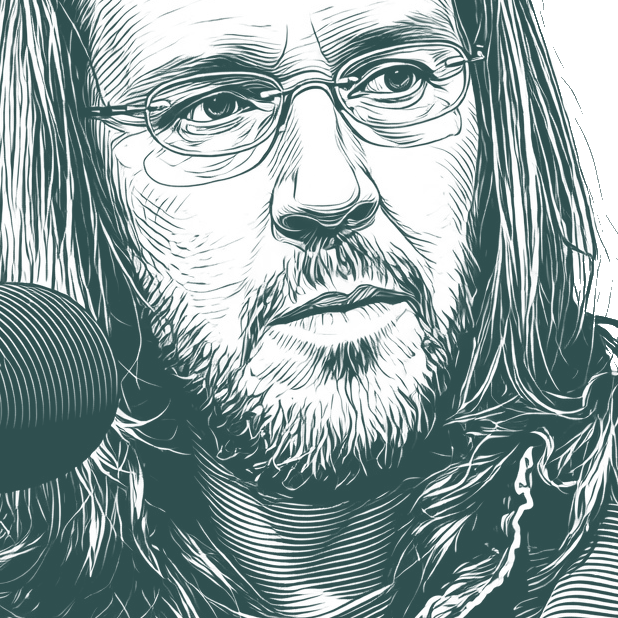
The fraudulence paradox was that the more time and effort you put into trying to appear impressive or attractive to other people, the less impressive… - David Foster Wallace
""
The fraudulence paradox was that the more time and effort you put into trying to appear impressive or attractive to other people, the less impressive or attractive you felt inside — you were a fraud. And the more of a fraud you felt like, the harder you tried to convey an impressive or likable image of yourself so that other people wouldn’t find out what a hollow, fraudulent person you really were. Logically, you would think that the moment a supposedly intelligent nineteen-year-old became aware of this paradox, he’d stop being a fraud and just settle for being himself (whatever that was) because he’d figured out that being a fraud was a vicious infinite regress that ultimately resulted in being frightened, lonely, alienated, etc. But here was the other, higher-order paradox, which didn’t even have a form or name — I didn’t, I couldn’t.
David Foster Wallace (21 February 1962 – 12 September 2008) was an American novelist, essayist, and short story writer. His works include The Broom of the System (novel), Infinite Jest (novel), The Girl With Curious Hair (short story collection), Brief Interviews with Hideous Men (short story collection), A Supposedly Fun Thing I'll Never Do Again (essay collection), and the posthumously-published The Pale King (novel) and Both Flesh and Not (essay collection).
Related quotes. More quotes will automatically load as you scroll down, or you can use the load more buttons.
Shorter versions of this quote
The fraudulence paradox was that the more time and effort you put into trying to appear impressive or attractive to other people, the less impressive or attractive you felt inside — you were a fraud. And the more of a fraud you felt like, the harder you tried to convey an impressive or likable image of yourself so that other people wouldn't find out what a hollow, fraudulent person you really were.
Like most North Americans of his generation, Hal tends to know way less about why he feels certain ways about the objects and pursuits he's devoted to than he does about the objects and pursuits themselves. It's hard to say for sure whether this is even exceptionally bad, this tendency.
We all have our little solipsistic delusions, ghastly intuitions of utter singularity: that we are the only one in the house who ever fills the ice-cube tray, who unloads the clean dishwasher, who occasionally pees in the shower, whose eyelid twitches on first dates; that only we take casualness terribly seriously; that only we fashion supplication into courtesy; that only we hear the whiny pathos in a dog’s yawn, the timeless sigh in the opening of the hermetically-sealed jar, the splattered laugh in the frying egg, the minor-D lament in the vacuum’s scream; that only we feel the panic at sunset the rookie kindergartner feels at his mother’s retreat. That only we love the only-we. That only we need the only-we. Solipsism binds us together, J.D. knows. That we feel lonely in a crowd; stop not to dwell on what’s brought the crowd into being. That we are, always, faces in a crowd.
I was always either so unreasonably and pointlessly happy that no one place could seem to contain me, or so melancholy, so sick and silly with sadness that there was no place I could stomach the thought of entering. I hated it here. And I have never been as happy as when I was here. And these two things together confront me with the beak and claws of the True.