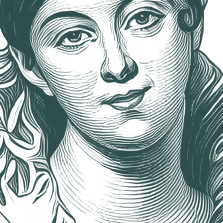
[From Ianthe]
I am a miser
Of all thy thoughts and words, and looks and feelings—
Oh, I am jealous of a leaf, a flower,
A song, a star, if much thoug… - Letitia Elizabeth Landon
""
[From Ianthe] I am a miser Of all thy thoughts and words, and looks and feelings— Oh, I am jealous of a leaf, a flower, A song, a star, if much thought on by thee !
English
Collect this quote
About
Letitia Elizabeth Landon
Letitia Elizabeth Landon (August 14, 1802 – October 15, 1838) was an English poet and novelist, better known by her initials L. E. L. She was one of the richest sources of epigrams in the early nineteenth century and one reviewer compared her to Rochefoucauld. Sometimes she adopts an adversarial role, giving contradictory viewpoints. Some of her thoughts recur, either developed or refined, but over time she also threw out differing opinions on some subjects; changeability, she argues, is one of our principal traits and, as she has one character remark, truth is like the philosopher's stone, a thing not to be discovered.
Ahmed comes back a conqueror, but what hath he found? The cry of the orphan is loud on his ear, And his eye hath beheld the young bride's bitter tear, And the friend of his youth is left dead on the plain, And the flower of his nobles return not again. There are crowds that are filling the air with his name; Do ye marvel the monarch is loathing his fame?
O no, my heart can never be Again in lighted hopes the same — The love that lingers there for thee Has more of ashes than of flame.
PREMIUM FEATURE
Advanced Search Filters
Filter search results by source, date, and more with our premium search tools.