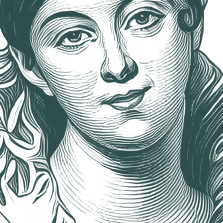
Fame is but a beautiful classic delusion. The inspiration of the poet is like the inspiration of the Delphic oracles: what was once held divine is no… - Letitia Elizabeth Landon
""
Fame is but a beautiful classic delusion. The inspiration of the poet is like the inspiration of the Delphic oracles: what was once held divine is now confessed the promptings of an evil spirit mocking the votaries of whom it made victims. We firmly believe that the time is fast approaching when no more books will be written. The once writers: will say—“Why should we sacrifice our whole existence to obtain a vain praise, which, after all, never comes sufficiently home to us to be enjoyed? Why should we devote, to this most barren pursuit, industry and talent, which, in any other line, would be certain of that worldly success, which, as we live in the world, is the only success to be de sired?” Even poets must at last learn wisdom. The bitterness and the hollowness of praise will be perceived; and then who will be at the trouble of writing a book? Again we repeat, the time is fast approaching when no more books will be written.
Letitia Elizabeth Landon (August 14, 1802 – October 15, 1838) was an English poet and novelist, better known by her initials L. E. L. She was one of the richest sources of epigrams in the early nineteenth century and one reviewer compared her to Rochefoucauld. Sometimes she adopts an adversarial role, giving contradictory viewpoints. Some of her thoughts recur, either developed or refined, but over time she also threw out differing opinions on some subjects; changeability, she argues, is one of our principal traits and, as she has one character remark, truth is like the philosopher's stone, a thing not to be discovered.
The heart hath its mystery, and who may reveal it, Or who ever read in the depths of their own? — How much, we never may speak of, yet feel it, But, even in feeling it, know it unknown!
Once more my harp awakens ; once again, Tho' all unworthy be my hand to twine Th' etherial blossomings of poetry, I would call forth its numbers, yet would feel Its music fall like sunlight on my soul.
Limited Time Offer
Premium members can get their quote collection automatically imported into their Quotewise collections.
She gazed, although she knew not why, Where ocean seemed another sky. The moon looked down upon the deep, Till in that deep it seemed to be; Scarce might the eye the image keep Of which was sky, and which was sea.