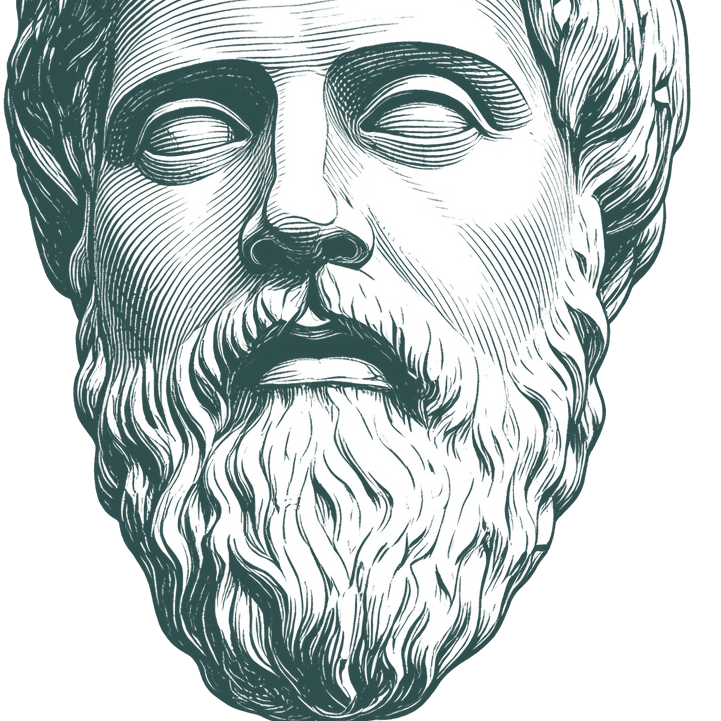
Numa forbade the Romans to revere an image of God which had the form of man or beast. Nor was there among them in this earlier time any painted or gr… - Plutarch
""
Numa forbade the Romans to revere an image of God which had the form of man or beast. Nor was there among them in this earlier time any painted or graven likeness of Deity, 8 but while for the first hundred and seventy years they were continually building temples and establishing sacred shrines, they made no statues in bodily form for them, convinced that it was impious to liken higher things to lower, and that it was impossible to apprehend Deity except by the intellect.
English
Collect this quote
About
Plutarch
Lucius Mestrius Plutarchus (c. 46 – 120) was a Greek historian, biographer, and essayist.
Leaders who allow themselves to be governed by reason will allow themselves to in turn govern their cities benevolently. The uneducated leader, on the other hand, is plagued by greed, paranoia, and a false sense of grandeur.
Go Premium
Support Quotewise while enjoying an ad-free experience and premium features.
And it is said that extraordinary rains generally dash down after great battles, whether it is that some divine power drenches and hallows the ground with purifying waters from Heaven, or that the blood and putrefying matter send up a moist and heavy vapour which condenses the air, this being easily moved and readily changed to the highest degree by the slightest cause.