According to the Buddhist teachings, human beings have a distorted view of reality that leads them to suffer unnecessarily. We grasp at transitory pl… - Sam Harris
""
According to the Buddhist teachings, human beings have a distorted view of reality that leads them to suffer unnecessarily. We grasp at transitory pleasures. We brood about the past and worry about the future. We continually seek to prop up and defend an egoic self that doesn’t exist. This is stressful — and spiritual life is a process of gradually unraveling our confusion and bringing this stress to an end.
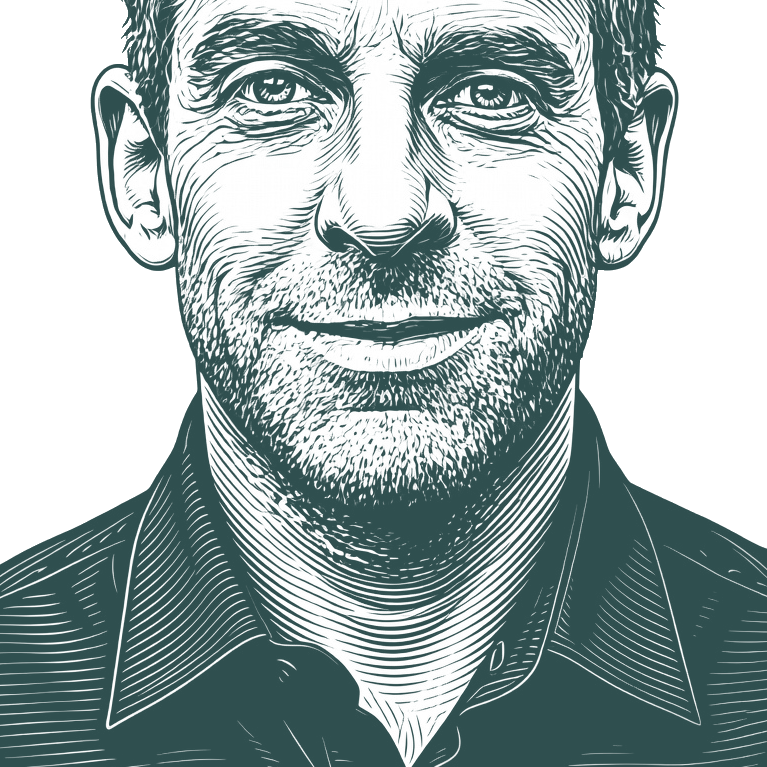
Samuel Benjamin Harris (born April 9, 1967) is an American author, philosopher, public intellectual, and neuroscientist, as well as the co-founder and CEO of Project Reason. He is the author of The End of Faith (2004), which won the PEN/Martha Albrand Award for First Nonfiction in 2005 and appeared on The New York Times best seller list for 33 weeks, Letter to a Christian Nation (2006), The Moral Landscape (2010), Lying (2011), Free Will (2012), and most recently Waking Up: A Guide to Spirituality Without Religion (2014).
Biography information from
Wikiquote·
Portrait adapted from
Wikimedia Commons, Cmichel67 (Christopher Michel) (CC BY-SA)
Related quotes. More quotes will automatically load as you scroll down, or you can use the load more buttons.
Shorter versions of this quote
We grasp at transitory pleasures. We brood about the past and worry about the future. We continually seek to prop up and defend an egoic self that doesn’t exist.
it is true that meditation requires total acceptance of what is given in the present moment. If you are injured and in pain, the path to mental peace can be traversed in a single step: Simply accept the pain as it arises, while doing whatever you need to do to help your body heal. If you are anxious before giving a speech, become willing to feel the anxiety fully, so that it becomes a meaningless pattern of energy in your mind and body. Embracing the contents of consciousness in any moment is a very powerful way of training yourself to respond differently to adversity. However, it is important to distinguish between accepting unpleasant sensations and emotions as a strategy — while covertly hoping that they will go away — and truly accepting them as transitory appearances in consciousness. Only the latter gesture opens the door to wisdom and lasting change. The paradox is that we can become wiser and more compassionate and live more fulfilling lives by refusing to be who we have tended to be in the past. But we must also relax, accepting things as they are in the present, as we strive to change ourselves.
We are, even now, killing ourselves over ancient literature. Who would have thought something so tragically absurd could be possible?
Go Premium
Support Quotewise while enjoying an ad-free experience and premium features.
My mind begins to seem like a video game: I can either play it intelligently, learning more in each round, or I can be killed in the same spot by the same monster, again and again.