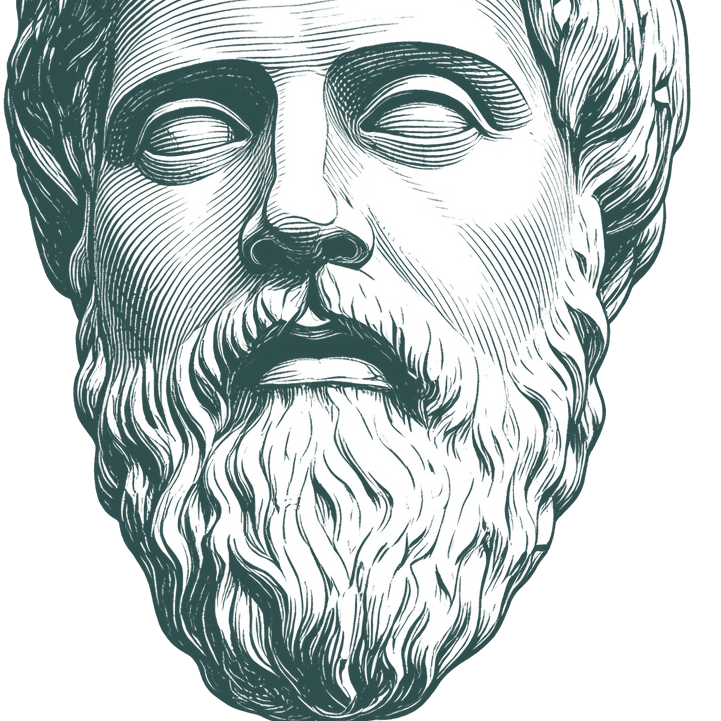
The two armies separated; and we are told that Pyrrhus said to one who was congratulating him on his victory, “If we are victorious in one more battl… - Plutarch
""
The two armies separated; and we are told that Pyrrhus said to one who was congratulating him on his victory, “If we are victorious in one more battle with the Romans, we shall be utterly ruined.” 10 For he had lost a great part of the forces with which he came, and all his friends and generals except a few; moreover, he had no others whom he could summon from home, and he saw that his allies in Italy were becoming indifferent, while the army of the Romans, as if from a fountain gushing forth indoors, was easily and speedily filled up again, and they did not lose courage in defeat, nay, their wrath gave them all the more vigour and determination for the war.
In a certain faraway land the cold is so intense that words freeze as soon as they are uttered, and after some time then thaw and become audible so that words spoken in winter go unheard until the next summer.
When Philip had news brought him of divers and eminent successes in one day, "O Fortune!" said he, "for all these so great kindnesses do me some small mischief."
"In the midst of this display of statesmanship, eloquence, cleverness, and exalted ambition, Alcibiades live d a life full of prodigious luxury, drunkenness, debauchery, and insolence. He was effeminate in his dress and would walk through the market-place trailing his long purple robes, and he spent extravagantly. He had the decks of his trireme scut away to allow him to sleep more comfortably, and his bedding was slung on cords, rather than spread on the hard planks. He had a golden shield made for him, which was emblazoned not with any ancestral device, but with the figure of Eros armed with a thunderbolt. The leading men of Athens watched all this with disgust and indignation and they were deeply disturbed by his contemptuous and lawless behavior, which seemed to them monstrous and suggested the habits of the tyrant. The people's feelings towards him have been very aptly expressed by Aristophanes in the line: "They long for him, they hate him, they cannot do without him..." The fact was that his voluntary donations, the public shows he supported, his unrivaled munificence to the state, the fame of his ancestry, the power of his oratory and his physical strength and beauty... all combined to make the Athenians forgive him everything else, and they were constantly finding euphemisms for his lapses and putting them down to youthful high spirits and honorable ambition."