The experiences of men in combat produces emotions stronger than civilians can know, emotions of terror, panic, anger, sorrow, bewilderment, helpless… - Stephen E. Ambrose
""
The experiences of men in combat produces emotions stronger than civilians can know, emotions of terror, panic, anger, sorrow, bewilderment, helplessness, uselessness, and each of these feelings drained energy and mental stability.
English
Collect this quote
About
Stephen E. Ambrose
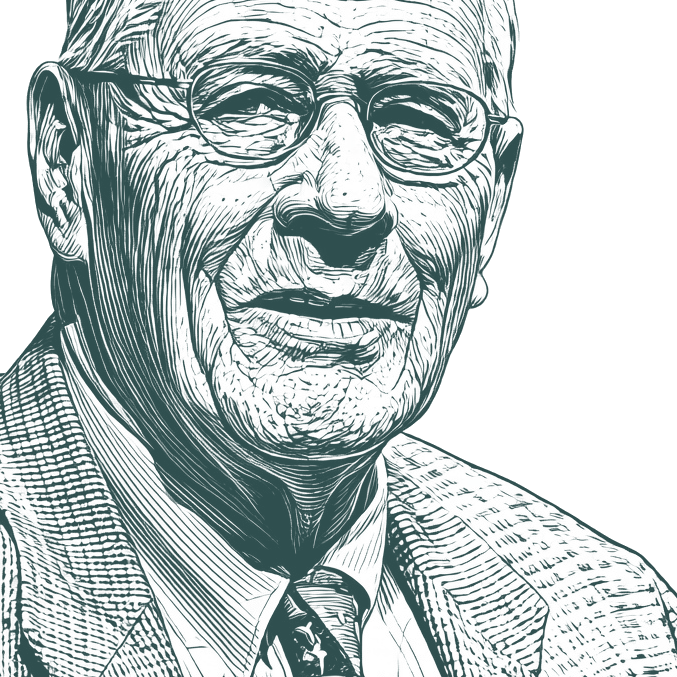
Stephen Edward Ambrose (January 10, 1936 – October 13, 2002) was an American historian, academic, and author, most noted for his books on World War II and his biographies of U.S. presidents Dwight D. Eisenhower and Richard Nixon. He was a longtime professor of history at the University of New Orleans and the author of many bestselling volumes of American popular history. In 2002, several instances of plagiarism were discovered in his books. In 2010, after his death, Ambrose was found to have fabricated interviews and events in his biographies of Eisenhower.
Biography information from
Wikipedia·
Portrait adapted from
Wikimedia Commons, Jim Wallace (Smithsonian Institution) (CC BY)
"O.K., let's go." And again, cheers rang through Southwick House. Then the commanders rushed from their chairs and dashed outside to get to their command posts. Within thirty seconds the mess room was empty, except for Eisenhower, The outflow of the others and his sudden isolation were symbolic. A minute earlier he had been the most powerful man in the world. Upon his word the fate of thousands of men depended, and the future of great nations. The moment he uttered the word, however, he was powerless. For the next two or three days, there was almost nothing he could do that would in any way change anything. The invasion could not be stopped, not by him, not by anyone. A captain leading his company onto Omaha, or a platoon sergeant at Utah, would for the immediate future play a greater role than Eisenhower. He could now only sit and wait.
They hid, Bos came over the hill, looked puzzled, and Custer let loose with a bullet that whizzed over his brother’s head. Bos turned
mentor, Frederick the Great, had warned, “He who defends everything, defends nothing.”6