Works in ChatGPT, Claude, or Any AI
Add semantic quote search to your AI assistant via MCP. One command setup.
" "If you can’t, you must. If you must, you can.
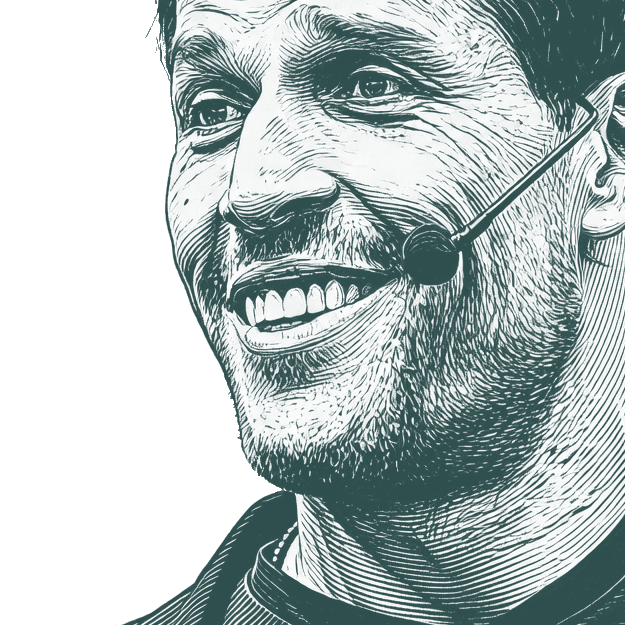
Anthony Jay Robbins (born Anthony J. Mahavoric; February 29, 1960) is an American author, coach, speaker, and philanthropist.
Biography information from Wikiquote
Add semantic quote search to your AI assistant via MCP. One command setup.
Related quotes. More quotes will automatically load as you scroll down, or you can use the load more buttons.
To laugh often and much; to win the respect of intelligent people and the affection of children; to earn the appreciation of honest critics and endure the betrayal of false friends; to appreciate beauty, to find the best in others; to leave the world a bit better, whether by a healthy child, a garden patch or a redeemed social condition; to know even one life has breathed easier because you have lived. This is to have succeeded.
Kelly McGonigal, a health psychologist at Stanford University, warned about the dangers of stress for a full decade before she realized that maybe it was her advice, rather than stress itself, that was sending people to their graves faster. “I’m converting a stimulus [stress] that could be strengthening people into a source of disease.” With a breakthrough in her thinking, and some powerful new research, McGonigal made a complete turnaround. Turns out, stress might just be our friend. Just as you put stress on a muscle to make it stronger (by lifting weights or running), emotional stress can make us physically and psychologically stronger too. McGonigal now highlights new research showing that when you change your mind about stress, you can literally change your body’s physical reaction to it. In an eight-year study, adults who experienced a “lot of stress” and who believed stress was harmful to their health had a 43% increase in their risk of dying. (That sure stressed me out.) However, people who experienced an equal amount of stress but did not view stress as harmful were no more likely to die! McGonigal says that physical signs of stress (a pounding heart, faster breathing, breaking out in a sweat) aren’t necessarily physical evidence of anxiety or signs that we aren’t coping well with pressure. Instead, we can interpret them as indications that our body is energized and preparing us to meet the next challenge. The bottom line is, science has now proven that how you think about stress matters — the story you attach to stress. Telling yourself it’s good for you instead of harmful could mean the difference between a stress-induced heart attack at 50 or living well into your 90s.
Enjoy ad-free browsing, unlimited collections, and advanced search features with Premium.