Now in all of us, however constituted, but to a degree the greater in proportion as we are intense and sensitive and subject to diversified temptatio… - William James
""
Now in all of us, however constituted, but to a degree the greater in proportion as we are intense and sensitive and subject to diversified temptations, and to the greatest possible degree if we are decidedly psychopathic, does the normal evolution of character chiefly consist in the straightening out and unifying of the inner self. The higher and the lower feelings, the useful and the erring impulses, begin by being a comparative chaos within us — they must end by forming a stable system of functions in right subordination. Unhappiness is apt to characterize the period of order-making and struggle.
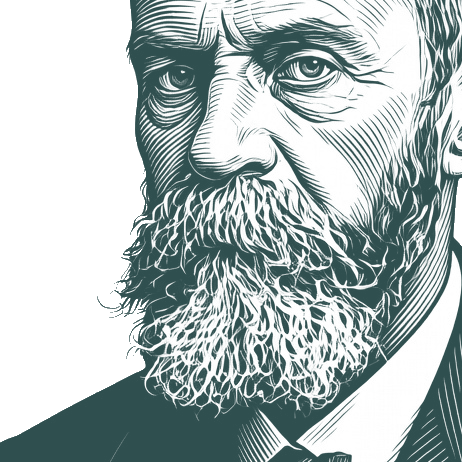
William James (11 January 1842 – 26 August 1910) was a pioneering American psychologist and philosopher. He developed the philosophical perspective known as radical empiricism, and wrote influential books on the science of psychology, the psychology of religious experience and mysticism, and the philosophy of pragmatism.
Biography information from
Wikiquote·
Portrait adapted from
Wikimedia Commons, Alice Boughton (Public domain / CC0)
The concrete man has but one interest — to be right. That to him is the art of all arts, and all means are fair which help him to it.
Whilst part of what we perceive comes through our senses from the object before us, another part (and it may be the larger part) always comes out of our own mind.
Go Premium
Support Quotewise while enjoying an ad-free experience and premium features.