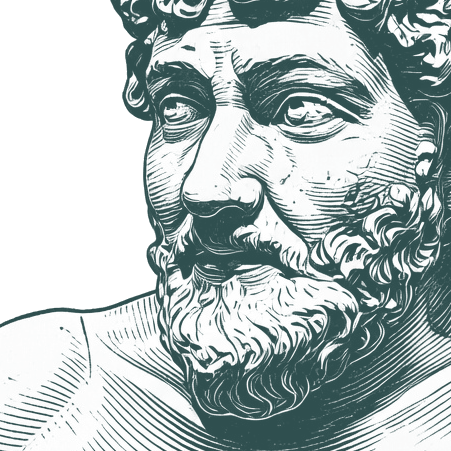
Aesop (or Æsop, from Greek Αἴσωπος Aisopos) (c. 620 BC – c. 560 BC) was an ancient Greek fabulist of possibly African descent (his Greek name means Ethiopian or black man in today's parlance), by tradition a slave who credited the African goddess Isis for his gift. Aesop's Fables are still taught as moral lessons and used as subjects for various entertainments, especially children's plays and cartoons.
It is with our passions, as it is with fire and water, they are good servants but bad masters.
The beasts of the field and forest had a Lion as their king. He was neither wrathful, cruel, nor tyrannical, but just and gentle as a king could be. During his reign he made a royal proclamation for a general assembly of all the birds and beasts, and drew up conditions for a universal league, in which the Wolf and the Lamb, the Panther and the Kid, the Tiger and the Stag, the Dog and the Hare, should live together in perfect peace and amity. The Hare said, “Oh, how I have longed to see this day, in which the weak shall take their place with impunity by the side of the strong.” And after the Hare said this, he ran for his life.
Try QuoteGPT
Chat naturally about what you need. Each answer links back to real quotes with citations.
A Donkey having heard some Grasshoppers chirping, was highly enchanted; and, desiring to possess the same charms of melody, demanded what sort of food they lived on to give them such beautiful voices. They replied, “The dew.” The Donkey resolved that he would live only upon dew, and in a short time died of hunger.