The thesis of the New Ethics is the ethical corollary of the doctrine of evolution. It is simply the expansion of ethics to suit the biological revel… - J. Howard Moore
""
The thesis of the New Ethics is the ethical corollary of the doctrine of evolution. It is simply the expansion of ethics to suit the biological revelations of Charles Darwin. The present ethical conception is based on the pre-Darwinian belief that all other species of animals and all worlds were produced for the exclusive benefit of the human species. It is anthropocentric. It originated among primitive peoples. It has come all the way down through the centuries, not because of its beauty or its fitness for immortality among ideas, but because of the excellent opportunities each generation has had of inoculating each succeeding generation with anything it has had a mind to.
English
Collect this quote
About
J. Howard Moore
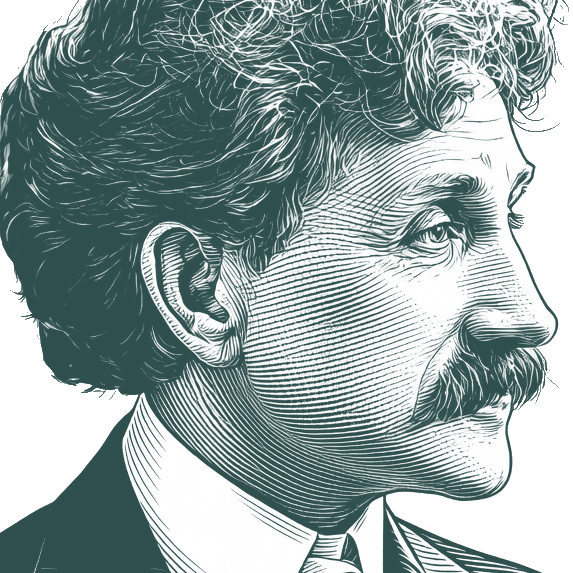
John Howard Moore (December 4, 1862 – June 17, 1916) was an American zoologist, philosopher, educator and social reformer. He advocated for the ethical consideration and treatment of animals and authored several articles, books, essays and pamphlets on topics including education, ethics, evolutionary biology, humanitarianism, utilitarianism and vegetarianism. He is best known for his work The Universal Kinship (1906), which advocated for a secular sentiocentric philosophy he called the doctrine of "Universal Kinship", based on the shared evolutionary kinship between all sentient beings.
The ability to weigh the stars is all right, but it is not more important than the disposition to be just.
Sympathy is consciousness of kind. It is the putting of one's self in the place of another, the projection of one's own personality into the periphery of another and sharing or simulating by means of the imagination the emotions of that other. Sympathy is the lily of the imagination.
Unlimited Quote Collections
Organize your favorite quotes without limits. Create themed collections for every occasion with Premium.
The acts of living beings are, as a rule, neither all altruism nor all egoism. They consist generally of blends of the two elements, with a preponderance of egoism. It is frequently impossible, too, to estimate just the amount of each element in a given act. An act which may seem altruistic may be in reality only sly and far-sighted egoism.