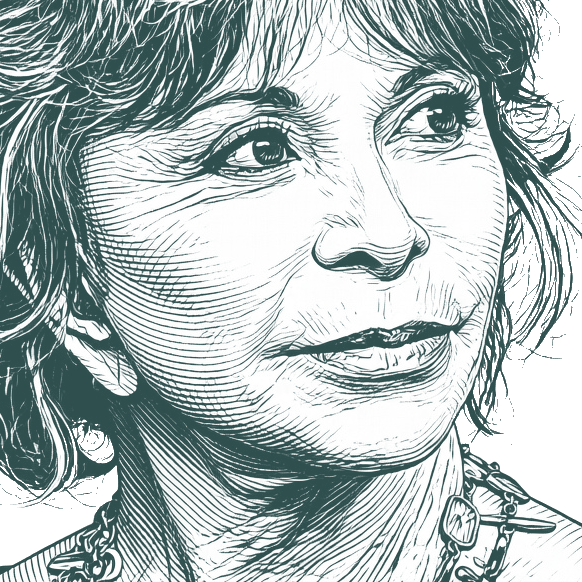
Until a few months ago we had a code of honor, and even the worst ruffians behaved with decency. You could leave your gold in a tent with no guard an… - Isabel Allende
""
Until a few months ago we had a code of honor, and even the worst ruffians behaved with decency. You could leave your gold in a tent with no guard and no one would touch it, but now all that has changed. The law of the jungle rules, the only ideology is greed. Don't let yourself be parted from your weapons, and always travel in pairs or groups, because this is a land of thieves.
Isabel Allende (born August 2, 1942) is a Chilean writer. Allende, whose works sometimes contain aspects of the genre magical realism, is known for novels such as The House of the Spirits (La casa de los espíritus, 1982) and City of the Beasts (La ciudad de las bestias, 2002), which have been commercially successful. Allende has been called "the world's most widely read Spanish-language author." In 2004, Allende was inducted into the American Academy of Arts and Letters, and in 2010, she received Chile's National Literature Prize. President Barack Obama awarded her the 2014 Presidential Medal of Freedom.
La discusión se prolongaba y ambos se perdían en una oratoria confusa que los dejaba agotados, acusándose mutuamente de ser más testarudos que una mula, pero al final se daban las buenas noches con un beso y quedaban ambos con la sensación de que el otro era un ser maravilloso.
Uncle Bruno and I celebrated the miracle of life with every chick that hatched from its egg and every tomato that came from the garden to the table; he taught me to observe and listen attentively, to get my bearings in the woods, to swim in freezing lakes and rivers, to start a fire without a match, to enjoy the pleasure of sinking my face into a juicy watermelon, and to accept the inevitable pain of saying goodbye to people and animals, because there is no life without death, as he always said.
Go Premium
Support Quotewise while enjoying an ad-free experience and premium features.
“This is to assuage our conscience, darling" she would explain to Blanca. "But it doesn't help the poor. They don't need charity; they need justice” (p162)