In the words of the systems thinker John Sterman, ‘The most important assumptions of a model are not in the equations, but what’s not in them; not in… - Kate Raworth
""
In the words of the systems thinker John Sterman, ‘The most important assumptions of a model are not in the equations, but what’s not in them; not in the documentation, but unstated; not in the variables on the computer screen, but in the blank spaces around them’.
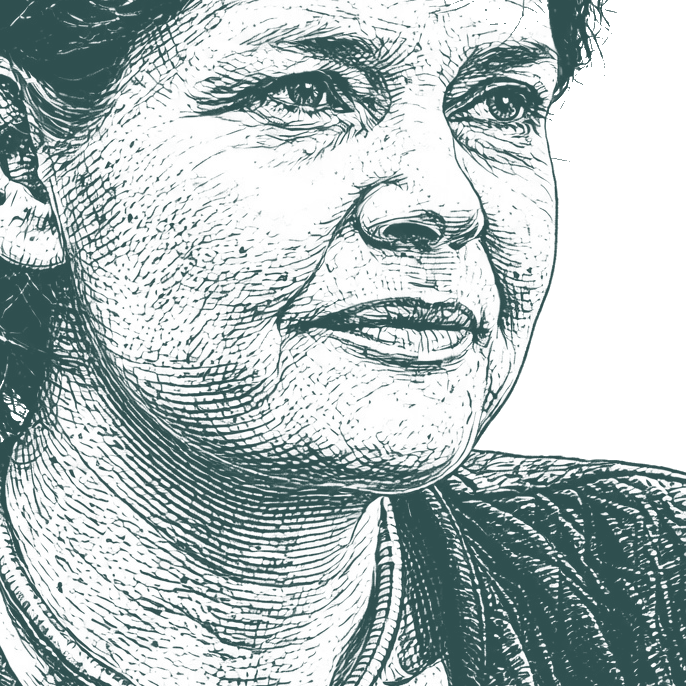
Kate Raworth (1970-) is an English economist, known for her 'doughnut economics' model balancing between essential human needs and planetary boundaries.
Economics (...) is not a matter of discovering laws: it is essentially a question of design.
availability bias — making decisions on the basis of more recent and more accessible information loss aversion — the strong preference to avoid a loss rather than to make an equivalent gain selective cognition — taking on board facts and arguments that fit with our existing frames risk bias — underestimating the likelihood of extreme events, while overestimating our ability to cope with them.
Limited Time Offer
Premium members can get their quote collection automatically imported into their Quotewise collections.
Instead of immediately focusing on making markets work more efficiently, we can start by considering: when is each of the four realms of provisioning — household, commons, market and state — best suited to delivering humanity’s diverse wants and needs? What changes in technology, culture and social norms might alter that? How can these four realms most effectively work together — such as the market with the commons, the commons with the state, or the state with the household? Likewise, rather than focusing by default on how to increase economic activity, ask how the content and structure of that activity might be shaping society, politics and power. And just how big can the economy become, given Earth’s ecological capacity?