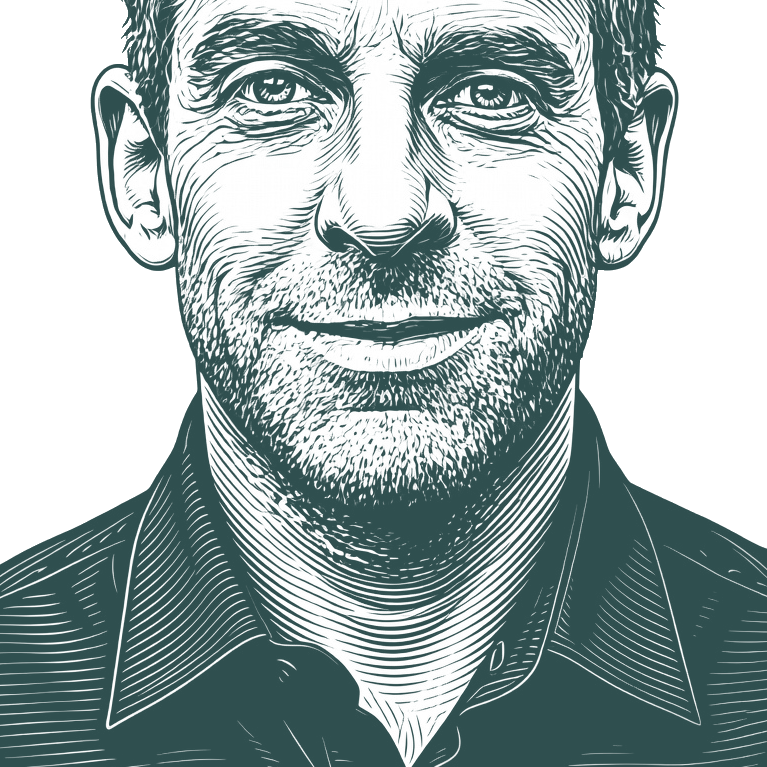
The fundamentalist picks up the book and says, “Okay, I’m just going to read every word of this and do my best to understand what God wants from me. … - Sam Harris
""
The fundamentalist picks up the book and says, “Okay, I’m just going to read every word of this and do my best to understand what God wants from me. I’ll leave my personal biases completely out of it.” Conversely, every moderate seems to believe that his interpretation and selective reading of scripture is more accurate than God’s literal words. Presumably, God could have written these books any way He wanted. And if He wanted them to be understood in the spirit of twenty-first-century secular rationality, He could have left out all those bits about stoning people to death for adultery or witchcraft. It really isn’t hard to write a book that prohibits sexual slavery — you just put in a few lines like “Don’t take sex slaves!” and “When you fight a war and take prisoners, as you inevitably will, don’t rape any of them!” And yet God couldn’t seem to manage it. This is why the approach of a group like the Islamic State holds a certain intellectual appeal (which, admittedly, sounds strange to say) because the most straightforward reading of scripture suggests that Allah advises jihadists to take sex slaves from among the conquered, decapitate their enemies, and so forth.
Samuel Benjamin Harris (born April 9, 1967) is an American author, philosopher, public intellectual, and neuroscientist, as well as the co-founder and CEO of Project Reason. He is the author of The End of Faith (2004), which won the PEN/Martha Albrand Award for First Nonfiction in 2005 and appeared on The New York Times best seller list for 33 weeks, Letter to a Christian Nation (2006), The Moral Landscape (2010), Lying (2011), Free Will (2012), and most recently Waking Up: A Guide to Spirituality Without Religion (2014).
Biography information from
Wikiquote·
Portrait adapted from
Wikimedia Commons, Cmichel67 (Christopher Michel) (CC BY-SA)
So to make a little quibble of my own, I think the essence of what we want in science are not justified beliefs but good explanations.
The opportunity to decieve others is ever present and often tempting, and each instance of deception casts us onto some of the steepest ethical terrain we ever cross.
Works in ChatGPT, Claude, or Any AI
Add semantic quote search to your AI assistant via MCP. One command setup.
we do our friends no favors by pretending not to notice flaws in their work, especially when those who are not their friends are bound to notice these same flaws.