Why can't we simply borrow what is useful to us from Buddhism, Hinduism, Taoism, especially Zen, as we borrow from Christianity, science, American In… - Edward Abbey
""
Why can't we simply borrow what is useful to us from Buddhism, Hinduism, Taoism, especially Zen, as we borrow from Christianity, science, American Indian traditions and world literature in general, including philosophy, and let the rest go hang? Borrow what we need but rely principally upon our own senses, common sense and daily living experience.
Edward Paul Abbey (29 January 1927 – 14 March 1989) was an American writer noted for his advocacy of environmental issues and criticism of public land policies.
Biography information from
Wikiquote·
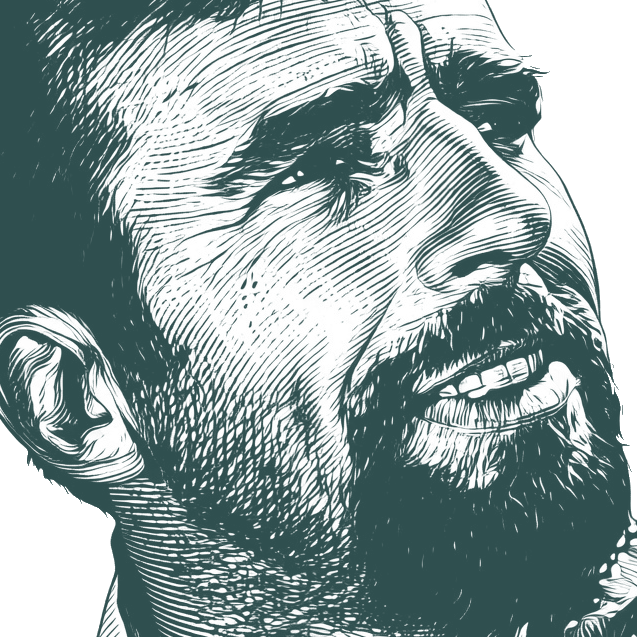
Portrait adapted from
Wikimedia Commons, Photo by Woody Hilbert (Public domain / CC0)
Water, water, water.… There is no shortage of water in the desert but exactly the right amount, a perfect ratio of water to rock, of water to sand, insuring that wide, free, open, generous spacing among plants and animals, homes and towns and cities, which makes the arid West so different from any other part of the nation. There is no lack of water here, unless you try to establish a city where no city should be.
(Time is relative, said Heraclitus a long time ago, and distance a function of velocity. Since the ultimate goal of transport technology is the annihilation of space, the compression of all Being into one pure point, it follows that six-packs help. Speed is the ultimate drug and rockets run on alcohol.
Enhance Your Quote Experience
Enjoy ad-free browsing, unlimited collections, and advanced search features with Premium.
The sensation of freedom was exhilarating, though tinged with a shade of loneliness, a touch of sorrow. The old dream of total independence, beholden to no man and no woman, floated above his days like smoke from a pipe dream, like a silver cloud with a dark lining. For even Hayduke sensed, when he faced the thing directly, that the total loner would go insane. Was insane. Somewhere in the depths of solitude, beyond wildness and freedom, lay the trap of madness.