"To release four hands" is used when you and the enemy are contending with the same spirit, and the issue cannot be decided. Abandon this spirit and … - Miyamoto Musashi

"To release four hands" is used when you and the enemy are contending with the same spirit, and the issue cannot be decided. Abandon this spirit and win through an alternative resource. In large-scale strategy, when there is a "four hands" spirit, do not give up - it is man's existence. Immediately throw away this spirit and win with a technique the enemy does not expect.

English
Collect this quote

About Miyamoto Musashi

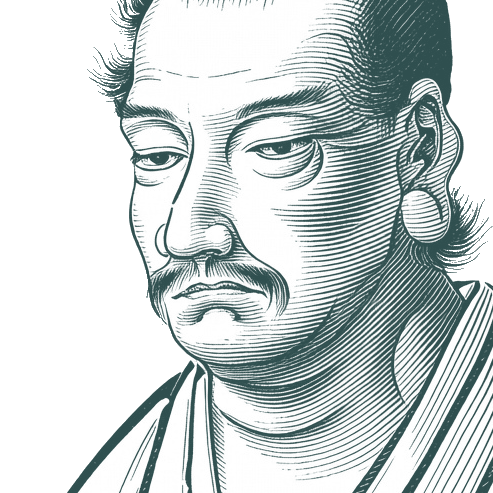
Miyamoto Musashi 宮本 武蔵 (c. 1584 – 13 June 1645) was a famous Japanese swordsman, believed to have been one of the most skilled swordsmen in history. He founded the Hyoho Niten Ichi-ryu, or Nito Ryu style of swordsmanship and wrote Go Rin No Sho (The Book of Five Rings) a classic work on strategy, tactics, and philosophy.
Biography information from Wikiquote

Also Known As

Pen Names: 新免玄信 宮本二天
Alternative Names: Niten Miyamoto Musashi Niten Miyamoto Niten Musashi Takemura Musashi Shinmen Takezō Musashi Masana Shinmen Musashi-no-Kami Fujiwara no Harunobu Shimmen Musashi Musachi Musashi Miyamoto Miyamoto Mushashi
Unlimited Quote Collections

Organize your favorite quotes without limits. Create themed collections for every occasion with Premium.

Related quotes. More quotes will automatically load as you scroll down, or you can use the load more buttons.

Additional quotes by Miyamoto Musashi

Develop intuitive judgement and understanding for everything.

Enhance Your Quote Experience

Enjoy ad-free browsing, unlimited collections, and advanced search features with Premium.

Grip the long sword with a rather floating feeling in your thumb and forefinger, with the middle finger neither tight nor slack, and with the last two fingers tight. It is bad to have play in your hands. When you take up a sword, you must feel intent on cutting the enemy. As you cut an enemy you must not change your grip, and your hands must not "cower". When you dash the enemy's sword aside, or ward it off, or force it down, you must slightly change the feeling in your thumb and forefinger. Above all, you must be intent on cutting the enemy in the way you grip the sword.

Loading...