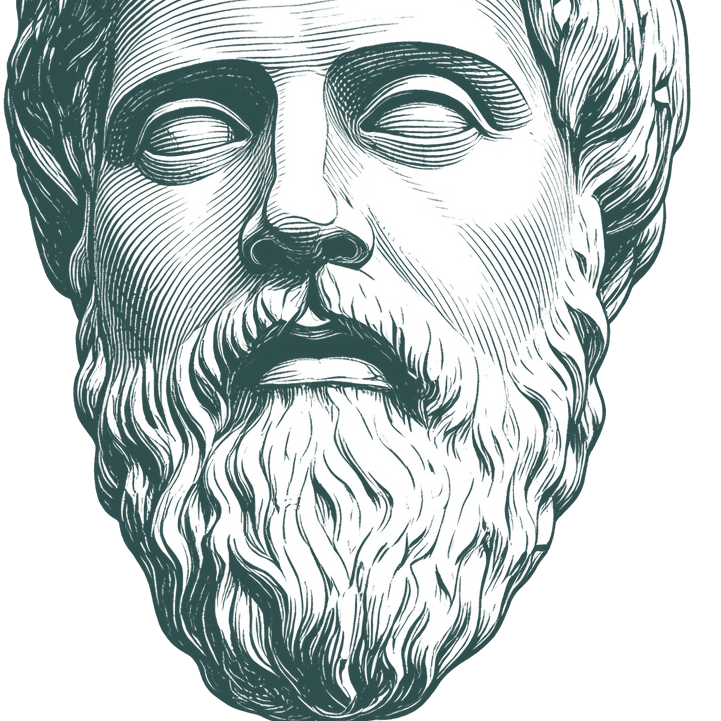
Being about to pitch his camp in a likely place, and hearing there was no hay to be had for the cattle, "What a life," said he, "is ours, since we mu… - Plutarch
""
Being about to pitch his camp in a likely place, and hearing there was no hay to be had for the cattle, "What a life," said he, "is ours, since we must live according to the convenience of asses!"
English
Collect this quote
About
Plutarch
Lucius Mestrius Plutarchus (c. 46 – 120) was a Greek historian, biographer, and essayist.
An action must not only be just and laudable in its own nature, but it must proceed likewise from motives and a lasting principle, that so we may fully and constantly approve the thing, and be perfectly satisfied in what we do; for otherwise, after having put our resolution into practice, we shall out of pure weakness come to be troubled at the performance, when the grace and godliness, which rendered it before so amiable and pleasing to us, begin to decay and wear out of our fancy; like greedy people, who, seizing on the more delicious morsels of any dish with a keen appetite, are presently disgusted when they grow full, and find themselves oppressed and uneasy now by what they before so greedily desired.
Whereas stories are fit for every place, reach to all persons, serve for all times, teach the living, revive the dead, so far excelling all other books, as it is better to see learning in Noblemen’s lives, than to read it in Philosophers’ writings.
Enhance Your Quote Experience
Enjoy ad-free browsing, unlimited collections, and advanced search features with Premium.
It was not said amiss by Antisthenes, when people told him that one Ismenias was an excellent piper, “It may be so,” said he, “but he is but a wretched human being, otherwise he would not have been an excellent piper.” And king Philip, to the same purpose, told his son Alexander, who once at a merry-meeting played a piece of music charmingly and skilfully, “Are you not ashamed, son, to play so well?” For it is enough for a king or prince to find leisure sometimes to hear others sing, and he does the muses quite honor enough when he pleases to be but present, while others engage in such exercises and trials of skill. He who busies himself in mean occupations produces, in the very pains he takes about things of little or no use, an evidence against himself of his negligence and indisposition to what is really good.