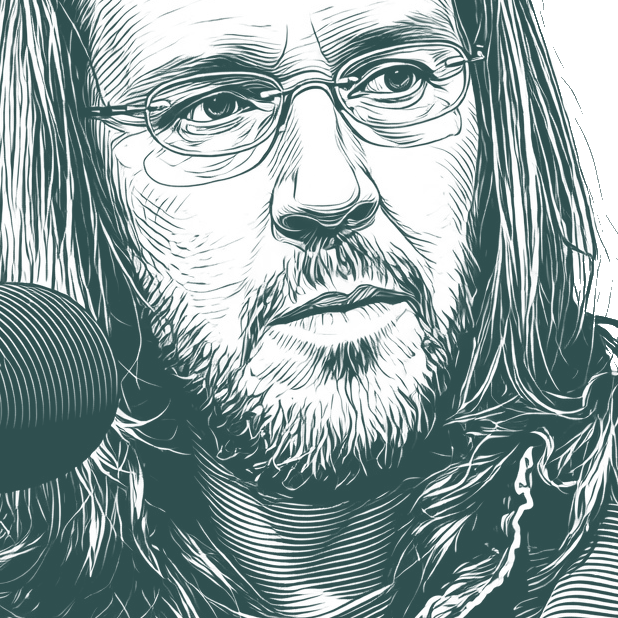
"The really important kind of freedom involves attention, and awareness, and discipline, and effort, and being able truly to care about other people … - David Foster Wallace
"The really important kind of freedom involves attention, and awareness, and discipline, and effort, and being able truly to care about other people and to sacrifice for them, over and over, in myriad petty little unsexy ways, every day. That is real freedom. That is being taught how to think. The alternative is unconsciousness, the default setting, the "rat race" — the constant, gnawing sense of having had and lost some infinite thing."
David Foster Wallace (21 February 1962 – 12 September 2008) was an American novelist, essayist, and short story writer. His works include The Broom of the System (novel), Infinite Jest (novel), The Girl With Curious Hair (short story collection), Brief Interviews with Hideous Men (short story collection), A Supposedly Fun Thing I'll Never Do Again (essay collection), and the posthumously-published The Pale King (novel) and Both Flesh and Not (essay collection).
That you will become way less concerned with what other people think of you when you realize how seldom they do.
It's always seemed a little preposterous that Hamlet, for all his paralyzing doubt about everything, never once doubts the reality of the ghost. Never questions his own madness might not in fact be unfeigned.
KFI's John Ziegler is not a journalist — he is an entertainer. Or maybe it's better to say that he is part of a peculiar, modern, and very popular type of news industry, one that manages to enjoy the authority and influence of journalism without the stodgy constraints of fairness, objectivity, and responsibility that make trying to tell the truth such a drag for everyone involved. It is a frightening industry, though not for any of the simple reasons most critics give.