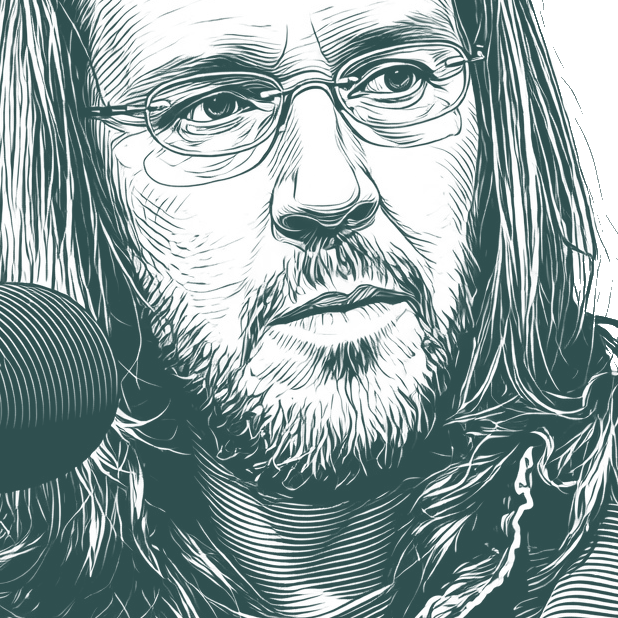
I learned that the world of men as it exists today is a bureaucracy. This is an obvious truth, of course, though it is also one the ignorance of whic… - David Foster Wallace
""
I learned that the world of men as it exists today is a bureaucracy. This is an obvious truth, of course, though it is also one the ignorance of which causes great suffering.
“But moreover, I discovered, in the only way that a man ever really learns anything important, the real skill that is required to succeed in a bureaucracy. I mean really succeed: do good, make a difference, serve. I discovered the key. This key is not efficiency, or probity, or insight, or wisdom. It is not political cunning, interpersonal skills, raw IQ, loyalty, vision, or any of the qualities that the bureaucratic world calls virtues, and tests for. The key is a certain capacity that underlies all these qualities, rather the way that an ability to breathe and pump blood underlies all thought and action.
“The underlying bureaucratic key is the ability to deal with boredom. To function effectively in an environment that precludes everything vital and human. To breathe, so to speak, without air.
“The key is the ability, whether innate or conditioned, to find the other side of the rote, the picayune, the meaningless, the repetitive, the pointlessly complex. To be, in a word, unborable.
“It is the key to modern life. If you are immune to boredom, there is literally nothing you cannot accomplish.
English
Collect this quote
About
David Foster Wallace
David Foster Wallace (21 February 1962 – 12 September 2008) was an American novelist, essayist, and short story writer. His works include The Broom of the System (novel), Infinite Jest (novel), The Girl With Curious Hair (short story collection), Brief Interviews with Hideous Men (short story collection), A Supposedly Fun Thing I'll Never Do Again (essay collection), and the posthumously-published The Pale King (novel) and Both Flesh and Not (essay collection).
That is real freedom. That is being educated, and understanding how to think. The alternative is unconsciousness, the default setting, the rat race, the constant gnawing sense of having had, and lost, some infinite thing.
John Ziegler, who is a talk-radio host of unflagging industry, broad general knowledge, mordant wit, and extreme conviction, makes a particular specialty of media criticism.
Limited Time Offer
Premium members can get their quote collection automatically imported into their Quotewise collections.
Beauty is not the goal of competitive sports, but high-level sports are a prime venue for the expression of human beauty. The relation is roughly that of courage to war. The human beauty we’re talking about here is beauty of a particular type; it might be called kinetic beauty. Its power and appeal are universal. It has nothing to do with sex or cultural norms. What it seems to have to do with, really, is human beings’ reconciliation with the fact of having a body.