Poverty is a terrible thing when it bows to the very ground the pride of the strong man—a terrible thing when it leaves old age destitute: till, the … - Letitia Elizabeth Landon
""
Poverty is a terrible thing when it bows to the very ground the pride of the strong man—a terrible thing when it leaves old age destitute: till, the strong man may yet redeem his fortunes, and that old age may have had enjoyment while it was capable of enjoying. But a child, with the step slow from weakness, which from its age should be so buoyant; a cheek thin and white from hunger, at a period which especially cares for food (for all children are greedy); a form shrivelled with cold; a growth stopped by work too laborious for such tender years; a spirit broken by toil, want, and harshness; —is not such a child poverty's most miserable spectacle? It is, however, a common one.
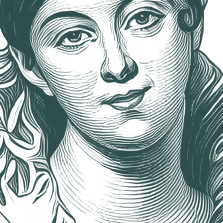
Letitia Elizabeth Landon (August 14, 1802 – October 15, 1838) was an English poet and novelist, better known by her initials L. E. L. She was one of the richest sources of epigrams in the early nineteenth century and one reviewer compared her to Rochefoucauld. Sometimes she adopts an adversarial role, giving contradictory viewpoints. Some of her thoughts recur, either developed or refined, but over time she also threw out differing opinions on some subjects; changeability, she argues, is one of our principal traits and, as she has one character remark, truth is like the philosopher's stone, a thing not to be discovered.
How different too would the real character be from that which is assumed ; how little often do the most intimate know of each other. But the difference that the stranger might discover is nothing to that which we trace in ourselves.
If we did but know how we rush into one evil while seeking to avoid another, we should have no resolution to shun any thing.
Works in ChatGPT, Claude, or Any AI
Add semantic quote search to your AI assistant via MCP. One command setup.
It is a fact not to be disputed, that the aristocracy have not "progressed " in proportion to the other classes. A young nobleman of the present day has not a better education than his ancestor in the time of Elizabeth.