English comedian and actor (born 1939)
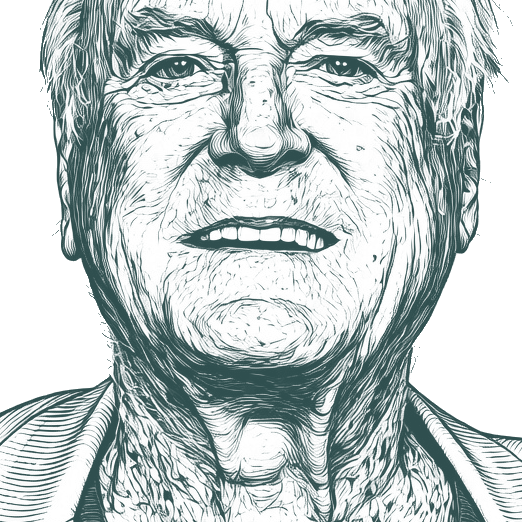
John Marwood Cleese (born 27 October 1939) is an English comedian and actor best known for being one of the members of the comedy group Monty Python and for co-writing the TV series Fawlty Towers in which he played Basil Fawlty.
Bio from: Wikiquote (CC BY-SA 4.0) · Portrait adapted from: Wikimedia Commons, Super Festivals from Ft. Lauderdale, USA (CC BY)
From Wikidata (CC0)
but the insanity of punishing someone physically for getting an answer wrong. It is terrifying how much of this deeply unkind, utterly pointless, in fact, mind-bogglingly COUNTERPRODUCTIVE kind of behaviour was meted out to children over the centuries by half-witted, power-crazed zombies like this heinous old bat — a large proportion of such psychopaths allegedly acting in the name of an all-loving God
Works in ChatGPT, Claude, or Any AI
Add semantic quote search to your AI assistant via MCP. One command setup.
When James Thurber described humour (or humor) as “emotional chaos remembered in tranquility” he was only pointing out that things that seem very important at the time usually aren’t, and that it’s not unkind to laugh at temporary upsets, especially when they’re our own. In fact, it’s rightly considered healthy to be able to laugh at oneself, and we all much prefer people who do not take themselves “too seriously.” A good sense of humour is the sign of a healthy perspective, which is why people who are uncomfortable around humour are either pompous (inflated) or neurotic (oversensitive). Pompous people mistrust humour because at some level they know their self-importance cannot survive very long in such an atmosphere, so they criticise it as “negative” or “subversive.” Neurotics, sensing that humour is always ultimately critical, view it as therefore unkind and destructive, a reductio ad absurdum which leads to political correctness.
Advanced Search Filters
Filter search results by source, date, and more with our premium search tools.
But I think it's particularly worrying at the moment because you can only create in an atmosphere of freedom, where you're not checking everything you say critically before you move on. What you have to be able to do is to build without knowing where you're going because you've never been there before. That's what creativity is—you have to be allowed to build. And a lot of comedians now are sitting there and when they think of something, they say something like, 'Can I get away with it? I don't think so. So and so got into trouble, and he said that, oh, she said that.' You see what I mean? And that's the death of creativity. So I would say at the moment, this is a difficult time, particularly for young comedians, but you see, my audience is much older, and they're simply not interested in most of the woke attitudes. I mean, they just think that you should try and be kind to people and that's no need to complicate it, you know?