6th century BCE Chinese general and military strategist
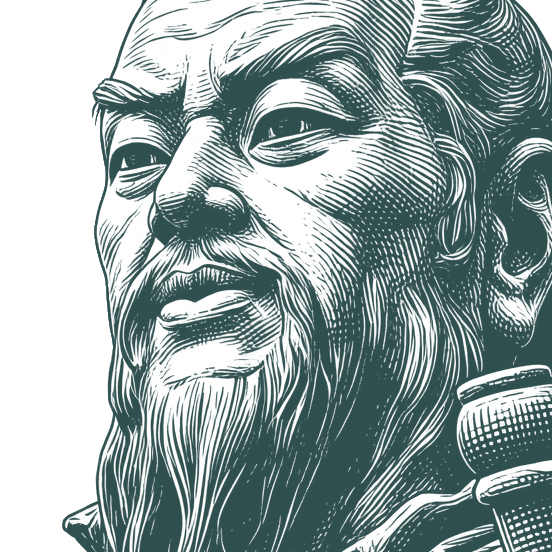
Sun Tzu (孫子 Sūn Zǐ; c. 6th century BC) was a Chinese general, military strategist, and philosopher who lived in the Eastern Zhou period of ancient China. Sun Tzu is traditionally credited as the author of The Art of War, a widely influential work of military strategy that has affected both Western and East Asian philosophy and military thinking. He is also known as Sun Wu (孫武; Sūn Wǔ), and Chang Qing (長卿; Cháng Qīng).
Bio from: Wikiquote (CC BY-SA 4.0) · Portrait adapted from: Wikimedia Commons, 663highland (CC BY)
From Wikidata (CC0)
from the ancient Chinese commentators found in the Giles edition. Of these four, Giles' 1910 edition is the most scholarly and presents the reader an incredible amount of information concerning Sun Tzu's text, much more than any other translation. The Giles' edition of the ART OF WAR, as stated above, was a scholarly work. Dr. Giles was a leading sinologue at the time and an assistant in the Department
Works in ChatGPT, Claude, or Any AI
Add semantic quote search to your AI assistant via MCP. One command setup.
To lift an autumn hair is no sign of great strength;
to see the sun and moon is no sign of sharp sight;
to hear the noise of thunder is no sign of a quick ear.
What the ancients called a clever fighter is
one who not only wins,
but excels in winning with ease.
Hence his victories bring him neither
reputation for wisdom
nor credit for courage.
There are five dangerous faults which may affect a general:
(1) Recklessness, which leads to destruction;
(2) cowardice, which leads to capture;
(3) a hasty temper, which can be provoked by insults;
(4) a delicacy of honor which is sensitive to shame;
(5) over-solicitude for his men, which exposes him to worry and trouble.