It is in itself commendable that they point out the political intentions of these academics. These have a purpose other than dispassionately seeking … - Koenraad Elst
""
It is in itself commendable that they point out the political intentions of these academics. These have a purpose other than dispassionately seeking the truth, which to Marxists would only be “bourgeois objectivity”. While not in itself disqualifying their research, it should at least set some alarm bells ringing. But this political bias only enjoys the unquestioning approval of the new generation of dupes.
English
Collect this quote
About
Koenraad Elst
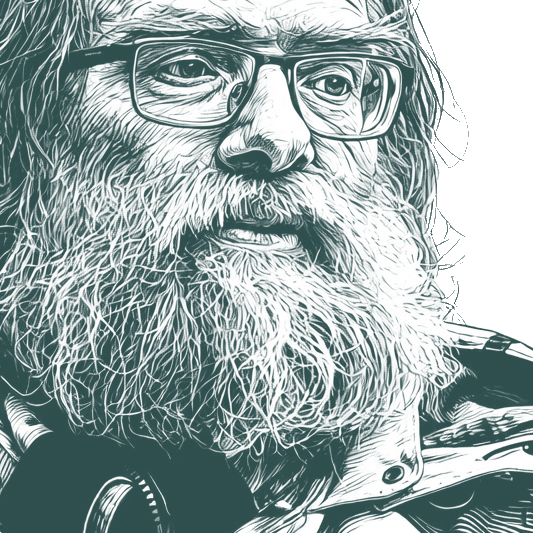
Koenraad Elst (born 7 August 1959) is a Flemish right wing Hindutva author, known primarily for his support of the Out of India theory and the Hindutva movement. Scholars have accused him of harboring Islamophobia.
In India, however, "secularism" has acquired a wholly different meaning. Ever since the term was propagated by Jawaharlal Nehru, being an Indian secularist does not require you to reject theocracy and the intrusion of Religion into politics. On the contrary, every obscurantist in India swears by "secularism". The word's effective Meaning has shifted to a concern quite unknown to its European coiners, viz, the struggle against Hinduism. ... It is a different matter that the hollow and crassly superficial Ideology of Nehruvian secularism is secure in its power position because of the absence of credible challengers. With a political opposition claiming to be "positive secularists" and "genuine secularists", India's official "pseudo-secularism" has no one to fear.
The first part of South Asia to be cleansed of Hinduism was Afghanistan. The 10 th century saw a life-and-death struggle there between Muslim invaders and the local Hindu population and dynasty. In this case, the replacement was not just religious, of Hindus by Muslims, but also ethnic, viz. of Indo-Aryans by Iranians. The fact of an at least partial physical replacement of the native population by invaders is attested by the linguistic shift. Until then, in much of the present-day Pashtu-speaking region of Pakistan and Afghanistan, an Indo-Aryan Prakrit was spoken (remember how the Sanskrit grammarian Panini was a native of Peshawar). It was replaced with Pashtu, an Iranian language.
Try QuoteGPT
Chat naturally about what you need. Each answer links back to real quotes with citations.
But that is a very small problem for a CPM politburo member trained in Leninist manipulation... But the profession of Hindutva-watching, like Kremlinology of yore, is mostly an exercise in discerning hidden meanings and secret motives.