"If you think about the world of a preschooler, they are surrounded by stuff they don't understand-things that are novel. So the driving force for a … - Malcolm Gladwell
"If you think about the world of a preschooler, they are surrounded by stuff they don't understand-things that are novel. So the driving force for a preschooler is not a search for novelty, like it is with older kids, it's a search for understanding and predictability," says Anderson. "For younger kids, repetition is really valuable. They demand it. When they see a show over and over again, the not only are understanding it better, which is a form of power, but just by predicting what is going to happen, I think they feel a real sense of affirmation and self-worth. And Blue's Clues doubles that feeling, because they also feel like they are participating in something. They feel like they are helping Steve."
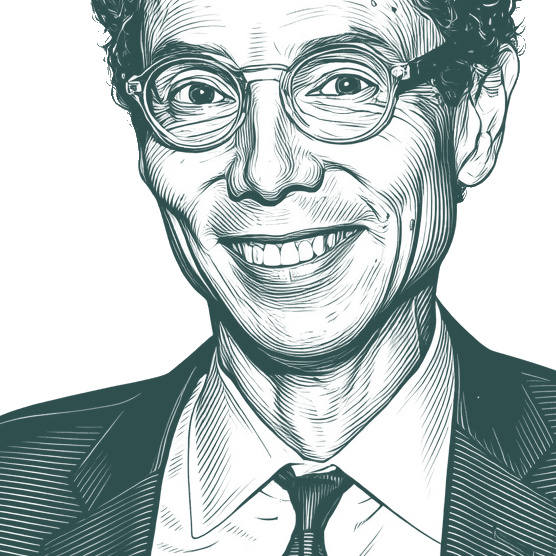
Malcolm Timothy Gladwell (born September 3, 1963) is an English-born Canadian journalist, bestselling author, and speaker. He has been a staff writer for The New Yorker since 1996.
Biography information from
Wikiquote·
Portrait adapted from
Wikimedia Commons, PEN American Center (CC BY)
Related quotes. More quotes will automatically load as you scroll down, or you can use the load more buttons.
Shorter versions of this quote
For younger kids, repetition is really valuable. They demand it. When they see a show over and over again, they not only are understanding it better, which is a form of power, but just by predicting what is going to happen, I think they feel a real sense of affirmation and self-worth.
I feel I change my mind all the time. And I sort of feel that's your responsibility as a person, as a human being – to constantly be updating your positions on as many things as possible. And if you don't contradict yourself on a regular basis, then you're not thinking.
Next time you meet a doctor, and you sit down in his office and he starts to talk, if you have the sense that he isn’t listening to you, that he’s talking down to you, and that he isn’t treating you with respect, listen to that feeling. You have thin-sliced him and found him wanting.
We live in a world saturated with information. We have virtually unlimited amounts of data at our fingertips at all times, and we’re well versed in the arguments about the dangers of not knowing enough and not doing our homework. But what I have sensed is an enormous frustration with the unexpected costs of knowing too much, of being inundated with information. We have come to confuse information with understanding.