Men without their choice derive benefits from that association; without their choice they are subjected to duties in consequence of these benefits; a… - Edmund Burke
""
Men without their choice derive benefits from that association; without their choice they are subjected to duties in consequence of these benefits; and without their choice they enter into a virtual obligation as binding as any that is actual. Look through the whole of life and the whole system of duties. Much the strongest moral obligations are such as were never the results of our option. I allow, that if no supreme ruler exists, wise to form, and potent to enforce, the moral law, there is no sanction to any contract, virtual or even actual, against the will of prevalent power. On that hypothesis, let any set of men be strong enough to set their duties at defiance, and they cease to be duties any longer.
English
Collect this quote
About
Edmund Burke
Edmund Burke (12 January 1729 – 9 July 1797) was a British and Irish statesman and philosopher. Born in Dublin, Burke served as a member of parliament (MP) between 1766 and 1794 in the House of Commons of Great Britain with the Whig Party after moving to London in 1750.
Biography information from
Wikiquote·
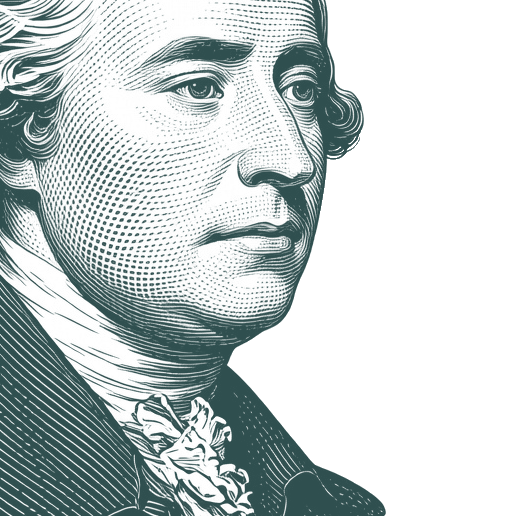
Portrait adapted from
Wikimedia Commons, Joshua Reynolds (Public domain / CC0)
To make us love our country, our country ought to be lovely.
Our Government and our Laws are beset by two different Enemies, which are sapping its foundations, Indianism, and Jacobinism. In some Cases they act separately, in some they act in conjunction: But of this I am sure; that the first is the worst by far, and the hardest to deal with; and for this amongst other reasons, that it weakens discredits, and ruins that force, which ought to be employd with the greatest Credit and Energy against the other; and that it furnishes Jacobinism with its strongest arms against all formal Government.
Limited Time Offer
Premium members can get their quote collection automatically imported into their Quotewise collections.
A man full of warm, speculative benevolence may wish his society otherwise constituted than he finds it; but a good patriot, and a true politician, always considers how he shall make the most of the existing materials of his country.