No sound ought to be heard in the church but the healing voice of Christian charity. The cause of civil liberty and civil government gains as little … - Edmund Burke
""
No sound ought to be heard in the church but the healing voice of Christian charity. The cause of civil liberty and civil government gains as little as that of religion by this confusion of duties. Those who quit their proper character to assume what does not belong to them are, for the greater part, ignorant both of the character they leave and of the character they assume. Wholly unacquainted with the world, in which they are so fond of meddling, and inexperienced in all its affairs, on which they pronounce with so much confidence, they have nothing of politics but the passions they excite. Surely the church is a place where one day's truce ought to be allowed to the dissensions and animosities of mankind.
English
Collect this quote
About
Edmund Burke
Edmund Burke (12 January 1729 – 9 July 1797) was a British and Irish statesman and philosopher. Born in Dublin, Burke served as a member of parliament (MP) between 1766 and 1794 in the House of Commons of Great Britain with the Whig Party after moving to London in 1750.
Biography information from
Wikiquote·
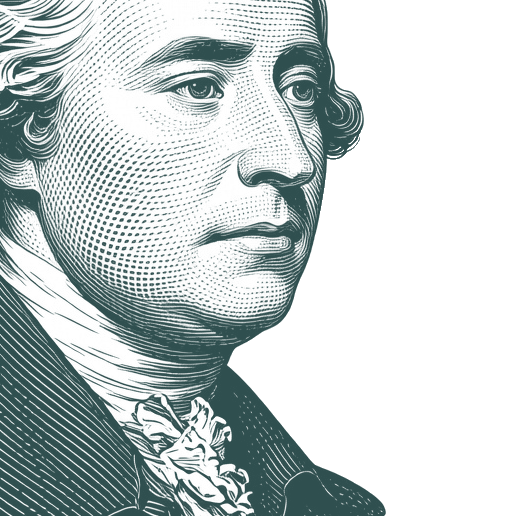
Portrait adapted from
Wikimedia Commons, Joshua Reynolds (Public domain / CC0)
Mr. Burke's Enemies often endeavoured to convince the World that he had been bred up in the Catholic Faith, & that his Family were of it, & that he himself had been educated at St. Omer—but this was false, as his father was a regular practitioner of the Law at Dublin, which he could not be unless of the Established Church: & it so happened that though Mr. B— was twice at Paris, he never happened to go through the Town of St. Omer.
I beg pardon, Sir, if, when I speak of this and of other great men, I appear to digress in saying something of their characters. In this eventful history of the revolutions of America, the characters of such men are of much importance. Great men are the guideposts and landmarks in the state. The credit of such men at court or in the nation is the sole cause of all the public measures. It would be an invidious thing (most foreign, I trust, to what you think my disposition) to remark the errors into which the authority of great names has brought the nation, without doing justice at the same time to the great qualities whence that authority arose.
Society is indeed a contract ... it becomes a participant not only between those who are living, those who are dead, and those who are to be born.