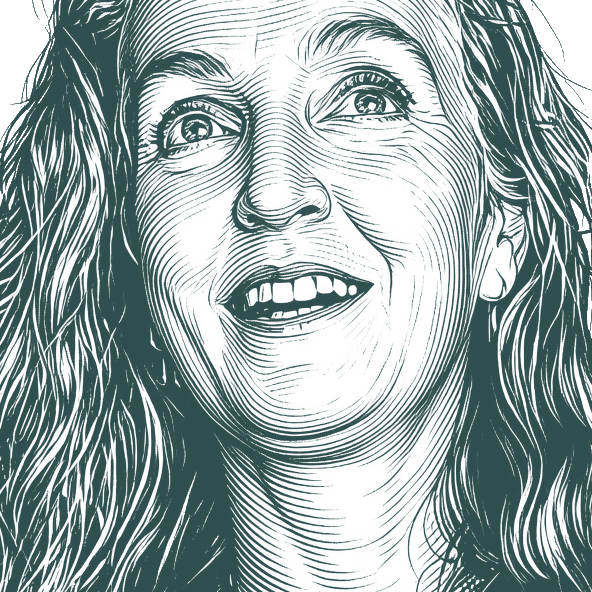
Having the right to show up and speak are basic to survival, to dignity, and to liberty. - Rebecca Solnit

" "

Having the right to show up and speak are basic to survival, to dignity, and to liberty.

English
Collect this quote

About Rebecca Solnit

Rebecca Solnit (born June 24, 1961) is an American writer. She has written on a variety of subjects, including feminism, the environment, politics, place, and art.

Biography information from Wikiquote

Go Premium

Support Quotewise while enjoying an ad-free experience and premium features.

View Plans

Related quotes. More quotes will automatically load as you scroll down, or you can use the load more buttons.

Additional quotes by Rebecca Solnit

Climate change is global-scale violence, against places and living species as well as against human beings. Once we call it by its true name, we can start having a real conversation about our priorities and values. Because the revolt against brutality begins with a revolt against the language that hides that brutality.

Lost really has two disparate meanings. Losing things is about the familiar falling away, getting lost is about the unfamiliar appearing. There are objects and people that disappear from your sight or knowledge or possession; you lose a bracelet, a friend, the key. You still know where you are. Everything is familiar except that there is one item less, one missing element. Or you get lost, in which case the world has become larger than your knowledge of it. Either way, there is a loss of control. Imagine yourself streaming through time shedding gloves, umbrellas, wrenches, books, friends, homes, names. This is what the view looks like if you take a rear-facing seat on the train. Looking forward you constantly acquire moments of arrival, moments of realization, moments of discovery. The wind blows your hair back and you are greeted by what you have never seen before. The material falls away in onrushing experience. It peels off like skin from a molting snake. Of course to forget the past is to lose the sense of loss that is also memory of an absent richness and a set of clues to navigate the present by; the art is not one of forgetting but letting go. And when everything else is gone, you can be rich in loss.

PREMIUM FEATURE
Advanced Search Filters

Filter search results by source, date, and more with our premium search tools.

Some empathy must be learned and then imagined, by perceiving the suffering of others and translating it into one's own experience of suffering and thereby suffering a little with then. Empathy can be a story you tell yourself about what it must be like to be that other person; but its lack can also arrive from narrative, about why the sufferer deserved it, or why that person or those people have nothing to do with you. Whole societies can be taught to deaden feeling, to dissociate from their marginal and minority members, just as people can and do erase the humanity of those close to them.
Empathy makes you imagine the sensation of the torture, of the hunger, of the loss. You make that person into yourself, you inscribe their suffering on your own body or heart or mind, and then you respond to their suffering as though it were your own. Identification, we say, to mean that I extend solidarity to you, and who and what you identify with builds your own identity. Physical pain defines the physical boundaries of the self but these identifications define a larger self, a map of affections and alliances, and the limits of this psychic self are nothing more or less than the limits of love. Which is to say love enlarges; it annexes affectionately; at its utmost it dissolves all boundaries.

Loading...