When I was a kid I was constantly being told to look at things from someone else’s point of view. What this always meant in practice was to do what s… - Paul Graham
""
When I was a kid I was constantly being told to look at things from someone else’s point of view. What this always meant in practice was to do what someone else wanted, instead of what I wanted. This of course gave empathy a bad name, and I made a point of not cultivating it. Boy, was I wrong. It turns out that looking at things from other people’s point of view is practically the secret of success. Empathy doesn’t necessarily mean being self-sacrificing. Far from it. Understanding how someone else sees things doesn’t imply that you’ll act in his interest; in some situations — in war, for example — you want to do exactly the opposite.
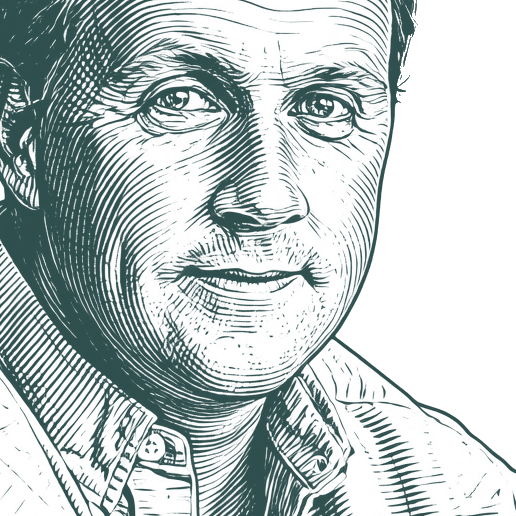
Paul Graham (born 1964) is an English computer scientist, essayist, entrepreneur, venture capitalist, and author. He is best known for his work on the programming language Lisp, his former startup Viaweb (later renamed Yahoo! Store), cofounding the influential startup accelerator and seed capital firm Y Combinator, his essays, and Hacker News.
Biography information from
Wikiquote·
Portrait adapted from
Wikimedia Commons, Crédit photo: Sarah Harlin (Public domain / CC0)
The reason ideological enforcers want to make you recant is not that they care what you believe. It's to demonstrate their power, and to show which beliefs are forbidden.
That's why forced recantations are public. If they cared what you believed, a private one would suffice.
I think a society in which people can do and say what they want will also tend to be one in which the most efficient solutions win, rather than those sponsored by the most influential people.
Unlimited Quote Collections
Organize your favorite quotes without limits. Create themed collections for every occasion with Premium.
If you want to get someone famous to speak at your event, you're much more likely to get them to agree if it's a Q&A session rather than a talk. A talk = a week of worry for those who are not professional talkers (e.g. politicians), whereas a Q&A session you just show up for.