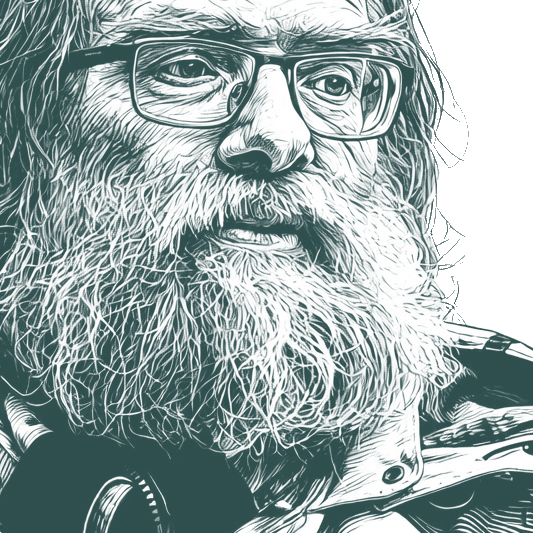
The present book is my last contribution to the literature on what is known in India as “communalism”, meaning the conflict between the different rel… - Koenraad Elst
""
The present book is my last contribution to the literature on what is known in India as “communalism”, meaning the conflict between the different religions, principally Hinduism and Islam.... I am very fortunate in having discovered the problem at an earlier stage of life and being offered a forum where I could contribute to the research into and reflection on its causes. In terms of my own potential, I feel I have exhausted the topic and I now intend to move on (or return) to more fundamental subjects of philosophy and religion.
Koenraad Elst (born 7 August 1959) is a Flemish right wing Hindutva author, known primarily for his support of the Out of India theory and the Hindutva movement. Scholars have accused him of harboring Islamophobia.
It is quite bizarre that scholars trying to prove a point discredit their own case by using a proven forgery without any comment.
But the negationists are not satisfied with seeing their own version of the facts being repeated in more and more books and papers. They also want to prevent other versions from reaching the public. Therefore, in 1982 the National Council of Educational Research and Training issued a directive for the rewriting of schoolbooks. Among other things, it stipulated that: "Characterization of the medieval period as a time of conflict between Hindus and Muslims is forbidden." Under Marxist pressure, negationism has become India's official policy.
Try QuoteGPT
Chat naturally about what you need. Each answer links back to real quotes with citations.
Particularly the Delhi Sultanate was hardly a functioning empire but rather an uneasy foreign occupation, with the occupiers settled in citadels and the countryside prey to unending and uncontrollable unrest. In the Mewat region south of Delhi, the Shudras led the unrelenting resistance against the Sultans, waging a guerrilla operation from hide-outs in the forest. Sultans Nasiruddin and Balban (thirteenth century) had to clear away the forest before they could hunt down and forcibly convert a substantial part of this population.