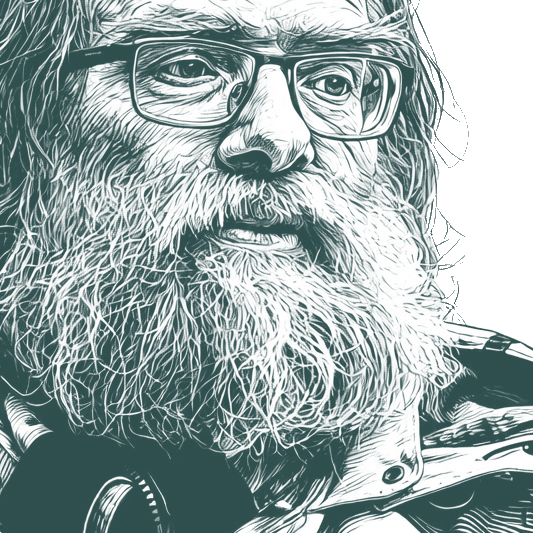
Time to apply for a teaching post at Rutgers. Unlike most Western universities where Iz!@m is concerned, it offers "academic freedom"! - Koenraad Elst
""
Time to apply for a teaching post at Rutgers. Unlike most Western universities where Iz!@m is concerned, it offers "academic freedom"!
English
Collect this quote
About
Koenraad Elst
Koenraad Elst (born 7 August 1959) is a Flemish right wing Hindutva author, known primarily for his support of the Out of India theory and the Hindutva movement. Scholars have accused him of harboring Islamophobia.
All it demonstrates is the bullying rhetoric so common in the debate between the scientific and the secularist schools of Indian history.
The debate has not genuinely altered the old consensus, but it has been an interesting case-study in manipulation by unscrupled academics. That, at least, seems to be a fair description of learned publications advertising themselves as “objective” studies of the controversy, but systematically concealing the arguments put forth by one of the parties.
Works in ChatGPT, Claude, or Any AI
Add semantic quote search to your AI assistant via MCP. One command setup.
Do keep in mind that both parties had the same goal: Islamic world conquest. The wrongly called “nationalist Muslims” went straight for it, largely because the modern world was unfamiliar to them, while the separatists made temporary concessions to the new circumstances and first wanted to consolidate Muslim power in Pakistan. Initially they were even willing to settle for Dr. BR Ambedkar’s proposal to exchange populations, so that no Muslim would stay behind in remainder-India. They couldn’t believe their luck when on this score, India’s hands were tied by Gandhi and Nehru, so that while the Paki Hindus had to flee, the Indian Muslims could stay where they were, thus forming a fifth column for the next phase of Islamic expansion.