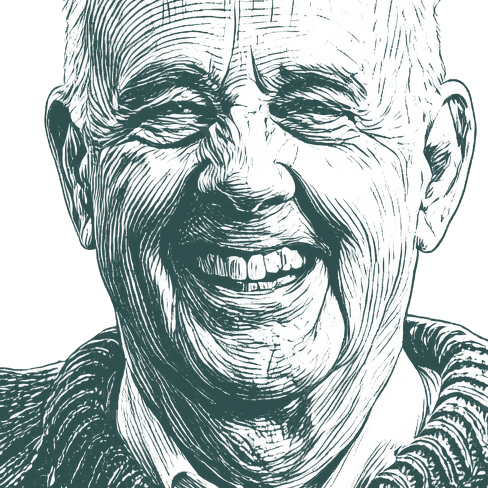
To live, we must daily break the body and shed the blood of Creation. When we do this knowingly, lovingly, skillfully, reverently, it is a sacrament.… - Wendell Berry
""
To live, we must daily break the body and shed the blood of Creation. When we do this knowingly, lovingly, skillfully, reverently, it is a sacrament. When we do it ignorantly, greedily, clumsily, destructively, it is a desecration. In such desecration we condemn ourselves to spiritual and moral loneliness, and others to want.
"[All the ancient wisdom] tells us that work is necessary to us, as much a part of our condition as mortality; that good work is our salvation and our joy; that shoddy or dishonest or self-serving work is our curse and our doom. We have tried to escape the sweat and sorrow promised in Genesis - only to find that, in order to do so, we must forswear love and excellence, health and joy. (pg. 44, "The Unsettling of America")"
We Americans are not usually thought to be a submissive people, but of course we are. Why else would we allow our country to be destroyed? Why else would we be rewarding its destroyers? Why else would we all — by proxies we have given to greedy corporations and corrupt politicians — be participating in its destruction? Most of us are still too sane to piss in our own cistern, but we allow others to do so and we reward them for it. We reward them so well, in fact, that those who piss in our cistern are wealthier than the rest of us.
How do we submit? By not being radical enough. Or by not being thorough enough, which is the same thing.
PREMIUM FEATURE
Advanced Search Filters
Filter search results by source, date, and more with our premium search tools.
The river and the garden have been the foundations of my economy here. Of the two I have liked the river best. It is wonderful to have the duty of being on the river the first and last thing every day. I have loved it even in the rain. Sometimes I have loved it most in the rain.