We ought with reverence to approach that tremendous divinity, that loves courage, but commands counsel. - Edmund Burke
""
We ought with reverence to approach that tremendous divinity, that loves courage, but commands counsel.
English
Collect this quote
About
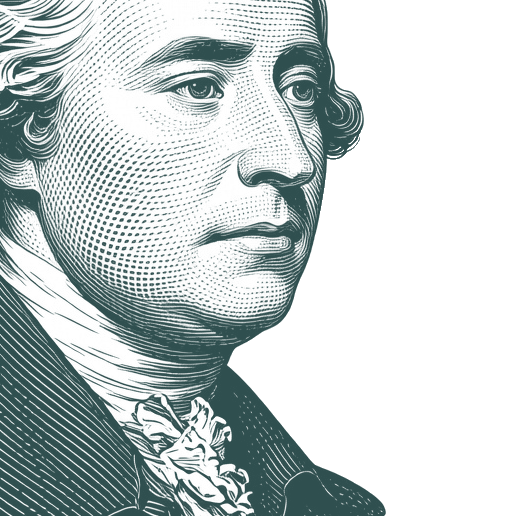
Edmund Burke
Edmund Burke (12 January 1729 – 9 July 1797) was a British and Irish statesman and philosopher. Born in Dublin, Burke served as a member of parliament (MP) between 1766 and 1794 in the House of Commons of Great Britain with the Whig Party after moving to London in 1750.
Biography information from
Wikiquote·
Portrait adapted from
Wikimedia Commons, Joshua Reynolds (Public domain / CC0)
Vice itself lost half its evil by losing all its grossness.
You talk of Paine with more respect than he deserves: He is utterly incapable of comprehending his subject. He has not even a moderate portion of learning of any kind. He has learnd the instrumental part of literature, a style, and a method of disposing his ideas, without having ever made a previous preparation of Study or thinking—for the use of it. ... [Paine] possesses nothing more than what a man whose audacity makes him careless of logical consequences, and his total want of honour and morality makes indifferent as to political consequences, may very easily write. They indeed who seriously write upon a principle of levelling ought to be answerd by the Magistrate—and not by the Speculatist.
Enhance Your Quote Experience
Enjoy ad-free browsing, unlimited collections, and advanced search features with Premium.
No, Sir. There is no qualification for government but virtue and wisdom, actual or presumptive. Wherever they are actually found, they have, in whatever state, condition, profession, or trade, the passport of Heaven to human place and honor. Woe to the country which would madly and impiously reject the service of the talents and virtues, civil, military, or religious, that are given to grace and to serve it; and would condemn to obscurity everything formed to diffuse lustre and glory around a state! Woe to that country, too, that, passing into the opposite extreme, considers a low education, a mean, contracted view of things, a sordid, mercenary occupation, as a preferable title to command! Everything ought to be open, — but not indifferently to every man. No rotation, no appointment by lot, no mode of election operating in the spirit of sortition or rotation, can be generally good in a government conversant in extensive objects; because they have no tendency, direct or indirect, to select the man with a view to the duty, or to accommodate the one to the other. I do not hesitate to say that the road to eminence and power, from obscure condition, ought not to be made too easy, nor a thing too much of course. If rare merit be the rarest of all rare things, it ought to pass through some sort of probation.