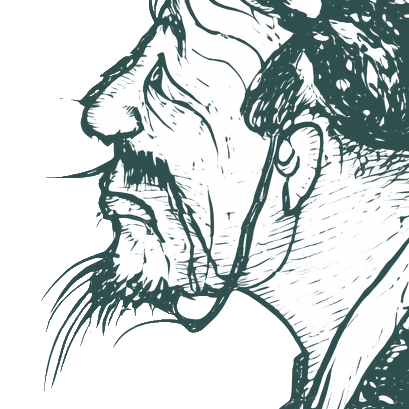
Confucius (traditionally 28 September 551 B.C. – 479 B.C.) was a Chinese social philosopher, whose teachings deeply influenced East Asian life and thought. "Confucius" is a latinization of the Chinese 孔夫子, Kong Fu Zi or K'ung-fu-tzu, literally "Master Kong", but he is usually referred to in China with a simpler version of this honorific as 孔子, Kongzi, or Kǒng Zǐ.
Biography information from
Wikiquote·
Portrait adapted from
Wikimedia Commons, Anonymous Chinese painter of the Western Han period (Public domain / CC0)
Also Known As
Native Name:
孔夫子
Alternative Names:
Confucio
•
Konfuzius
•
Cheu-kong
•
Chung-ni
•
Cong-tse
•
K'ung Chung-ni
•
K'ung Fu-tse
•
K'ung-fu-tzu
•
K'ung-tzu
•
Kong Fu Zi
•
Kong Fuzi
•
Kong Qiu
•
Kong Zhongni
•
Kongfuzi
•
Kongqiu
•
Kongzi
•
Kung Chung-ni
•
Kung Fu Tzu
•
Kung Fu-tse
•
Kungfutse
•
Zhongni
Portrait from Wikimedia Commons. Credit: Anonymous Chinese painter of the Western Han period. Used under Public domain / CC0. Processed and styled by Quotewise.
Works in ChatGPT, Claude, or Any AI
Add semantic quote search to your AI assistant via MCP. One command setup.
Anciently, if the Son of Heaven had seven ministers who would remonstrate with him, although he had not right methods of government, he would not lose his possession of the kingdom. [...] And the father who had a son that would remonstrate with him would not sink into the gulf of unrighteous deeds. Therefore when a case of unrighteous conduct is concerned, a son must by no means keep from remonstrating with his father, nor a minister from remonstrating with his ruler. Hence, since remonstrance is required in the case of unrighteous conduct, how can (simple) obedience to the orders of a father be accounted filial piety?
Go Premium
Support Quotewise while enjoying an ad-free experience and premium features.