We have in past been forced into reluctant change by weather, calamity, and plague. Now the pressure comes from our biologic success as a species. We… - John Steinbeck
""
We have in past been forced into reluctant change by weather, calamity, and plague. Now the pressure comes from our biologic success as a species. We have overcome all enemies but ourselves.
English
Collect this quote
About
John Steinbeck
John Ernst Steinbeck Jr. (27 February 1902 – 20 December 1968) was an American writer. A recipient of the Nobel Prize for Literature in 1962, his works include the novella Of Mice and Men (1937) and the novel The Grapes of Wrath (1939, Pulitzer Prize for Fiction, 1940), both of which examine the lives of the working class and migrant workers during the Great Depression.
Biography information from
Wikiquote·
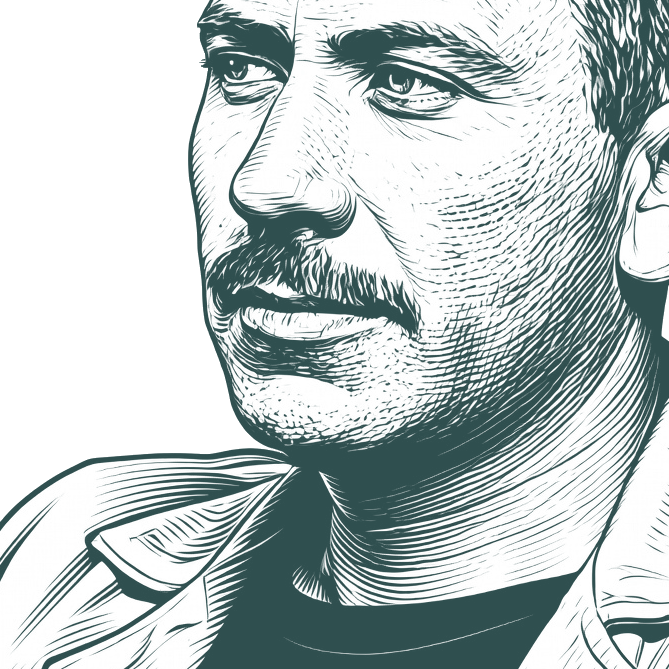
Portrait adapted from
Wikimedia Commons, McFadden Publications, Inc.; no photographer credited; photo likely the work of Sonya Noskowiak, as Steinbeck is wearing the same clothes from her 1935 studio session that produced the work shown here: https://www.si.edu/object/npg_NPG.2006.74 (Public domain / CC0)
Also Known As
Birth Name:
Jeffery Ernest Steinbeck
Alternative Names:
John Ernst Steinbeck, Jr.
•
John Ernst Steinbeck
•
John Ernest Steinbeck
•
John Ernst Steinbeck Jr
•
Steinbeck
Portrait from Wikimedia Commons. Credit: McFadden Publications, Inc.; no photographer credited; photo likely the work of Sonya Noskowiak, as Steinbeck is wearing the same clothes from her 1935 studio session that produced the work shown here: https://www.si.edu/object/npg_NPG.2006.74. Used under Public domain / CC0. Processed and styled by Quotewise.
Unlimited Quote Collections
Organize your favorite quotes without limits. Create themed collections for every occasion with Premium.
Men don't get knocked out, or I mean they can fight back against big things. What kills them is erosion; they get nudged into failure. They get slowly scared.[...]It's slow. It rots out your guts.
It's one of the great fallacies, it seems to me, that time gives much of anything but years and sadness to man.
PREMIUM FEATURE
Advanced Search Filters
Filter search results by source, date, and more with our premium search tools.
"Look now — in all of history men have been taught that killing of men is an evil thing not to be countenanced. Any man who kills must be destroyed because this is a great sin, maybe the worst we know. And then we take a soldier and put murder in his hands and we say to him, "use it well, use it wisely." We put no checks on him. Go out and kill as many of a certain kind or classification of your brothers as you can. And we will reward you for it because it is a violation of your early training."