I once told Riose that not all the Empire's strength could swerve the dead hand of Hari Seldon. - Isaac Asimov
""
I once told Riose that not all the Empire's strength could swerve the dead hand of Hari Seldon.
English
Collect this quote
About
Isaac Asimov
Isaac Asimov (c. 2 January 1920 – 6 April 1992) was a Russian-born American biochemist who was a prolific writer of both fiction and non-fiction, his works include the Foundation series and I, Robot.
Biography information from
Wikiquote·
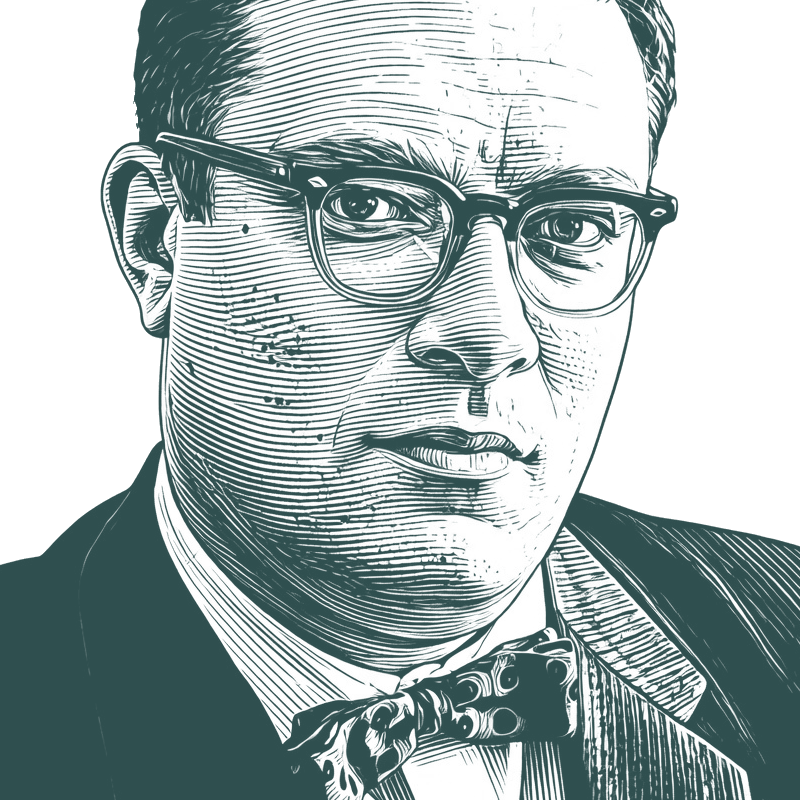
Portrait adapted from
Wikimedia Commons, Phillip Leonian [1] from New York World-Telegram & Sun.[2] (Public domain / CC0)
Also Known As
Alternative Names:
Isaak Osimov
•
Paul French
•
Asimov
•
Isaak Ozimov
•
Itzhak Ozimov
Portrait from Wikimedia Commons. Credit: Phillip Leonian [1] from New York World-Telegram & Sun.[2]. Used under Public domain / CC0. Processed and styled by Quotewise.
PREMIUM FEATURE
Advanced Search Filters
Filter search results by source, date, and more with our premium search tools.
I don't believe in an afterlife, so I don't have to spend my whole life fearing hell, or fearing heaven even more. For whatever the tortures of hell, I think the boredom of heaven would be even worse.
There's no merit in discipline under ideal circumstances. I'll have it in the face of death, or it's useless.
Unlimited Quote Collections
Organize your favorite quotes without limits. Create themed collections for every occasion with Premium.