For most of us, the other half of sanity lies simply in seeing and enjoying the unknown, just as we can enjoy music without knowing either how it is … - Alan Watts
""
For most of us, the other half of sanity lies simply in seeing and enjoying the unknown, just as we can enjoy music without knowing either how it is written or how the body hears it.
English
Collect this quote
About
Alan Watts
Alan Wilson Watts (6 January 1915 – 16 November 1973) was an English philosopher, writer, speaker, and expert in comparative religion.
Biography information from
Wikiquote·
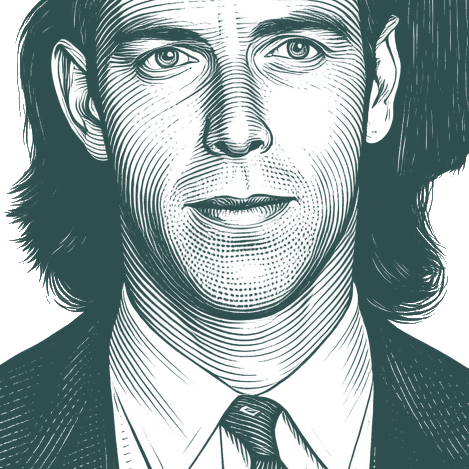
Portrait adapted from
Wikimedia Commons, The University of Vermont Alumni Magazine vol. 39 no. 01, p. 22. (Public domain / CC0)
Also Known As
Alternative Names:
Alan Wilson Watts
•
Alan W. Watts
Portrait from Wikimedia Commons. Credit: The University of Vermont Alumni Magazine vol. 39 no. 01, p. 22.. Used under Public domain / CC0. Processed and styled by Quotewise.
Works in ChatGPT, Claude, or Any AI
Add semantic quote search to your AI assistant via MCP. One command setup.
How many of us now realize that space is the same thing as mind, or consciousness? That when you look out into infinity you are looking at yourself? That your inside goes with your entire outside as your front with your back? That this galaxy, and all other galaxies, are just as much you as your heart or your brain? That your coming and going, your waking and sleeping, your birth and your death, are exactly the same kind of rhythmic phenomena as the stars and their surrounding darkness? To be afraid of life is to be afraid of yourself.
To be aware, then, is to be aware of thoughts, feelings, sensations, desires, and all other forms of experience. Never at any time are you aware of anything which is not experience, not a thought or feeling, but instead an experiencer, thinker, or feeler. If this is so, what makes us think that any such thing exists?
Enhance Your Quote Experience
Enjoy ad-free browsing, unlimited collections, and advanced search features with Premium.
Life and death are not two opposed forces; they are simply two ways of looking at the same force, for the movement of change is as much the builder as the destroyer.