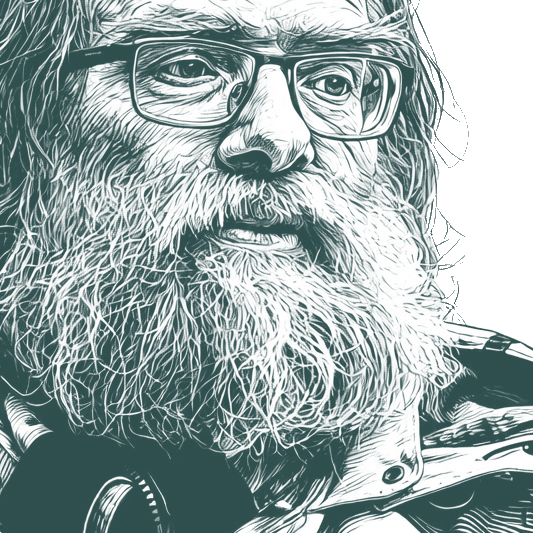
We have to agree that it [Hindu nationalism] is a type of nationalism, though as such it really is only the most conspicuous tendency within a broade… - Koenraad Elst
""
We have to agree that it [Hindu nationalism] is a type of nationalism, though as such it really is only the most conspicuous tendency within a broader movement vaguely known as Hindu revivalism. Some Hindu thinkers usually classified with Hindu nationalism, such as Ram Swarup and Girilal Jain, explicitly questioned nationalism as the right paradigm for the concerns of Hinduism in the 20th century. ... Hindu nationalism entirely falls outside the category vaguely designated as "authoritarian nationalism".
Koenraad Elst (born 7 August 1959) is a Flemish right wing Hindutva author, known primarily for his support of the Out of India theory and the Hindutva movement. Scholars have accused him of harboring Islamophobia.
At this stage in my life, a polemic on the Ayodhya affair is essentially a blast from the past. In recent years, I have reoriented my scholarly interests towards more fundamental philosophical studies and questions of ancient history, rather than questions in the centre of contemporary political struggles. The nastiness, the personal smears, the sheer heat of this kind of debate now seems most unpleasant to me, though once I enjoyed rushing headlong into it. But the whole polemic is also a blast from the past in a less personal sense. In terms of the development of civilization, it is an anachronism... Given the importance of the Ayodhya dispute and my old familiarity with it, I felt I had to come down from my ivory tower and engage in this polemic once more. When dogmatic ideologues are giving scientists the kind of treatment which the experts of the Archaeological Survey of Indian have been receiving from the “eminent historians”, and assorted Babri Masjid lobbyists, it is time to stand up and be counted. I for one want to be counted among those who defend the freedom of research and the scientific method, rather than among those who shriek and howl about some evil spirit in whose name every lie becomes justified, and whom they call “secularism”.
Tribal endogamy explains the Hindu caste system. As Vedic society, an advanced and differentiated society characterized by class (varna) hierarchy, expanded from the Northwest into India's interior, it absorbed ever more tribes but allowed them their distinctive traditions and first of all their defining tradition, viz. their endogamy. This way, endogamous self-contained units or tribes became endogamous segments of Hindu society, or castes.
Go Premium
Support Quotewise while enjoying an ad-free experience and premium features.
A modern lawyer like Muslim League leader Mohammed Ali Jinnah completely thought inside the modern democratic framework where numbers are important. But to an obscurantist like Azad, this didn’t matter: democracy was only a temporary circumstance that need not stand in the way of turning a united India into a Muslim empire. Moreover, Muslims could convert Hindus, and through their superiority in demographic growth (from 19% to 24% in the sixty years before Independence), they would eventually become the majority. Moreover, Azad seized upon Mahatma Gandhi’s proposal to form an all-Muslim Cabinet as the ultimate “compromise” (i.e. surrender) to avert Partition. So, he dreamed of Islamizing all of India rather than only the Pakistani part of it.