My vocation in life is to wonder about at the nature of the universe. This leads me into philosophy, psychology, religion, and mysticism, not only as… - Alan Watts
""
My vocation in life is to wonder about at the nature of the universe. This leads me into philosophy, psychology, religion, and mysticism, not only as subjects to be discussed but also as things to be experienced, and thus I make an at least tacit claim to be a philosopher and a mystic. Some people, therefore, expect me to be their guru or messiah or exemplar, and are extremely disconcerted when they discover my “wayward spirit” or element of irreducible rascality, and say to their friends, “How could he possibly be a genuine mystic and be so addicted to nicotine and alcohol?” Or have occasional shudders of anxiety? Or be sexually interested in women? Or lack enthusiasm for physical exercise? Or have any need for money? Such people have in mind an idealized vision of the mystic as a person wholly free from fear and attachment, who sees within and without, and on all sides, only the translucent forms of a single divine energy which is everlasting love and delight, as which and from which he effortlessly radiates peace, charity, and joy. What an enviable situation! We, too, would like to be one of those, but as we start to meditate and look into ourselves we find mostly a quaking and palpitating mess of anxiety which lusts and loathes, needs love and attention, and lives in terror of death putting an end to its misery. So we despise that mess, and look for ways of controlling it and putting “how the true mystic feels” in its place, not realizing that this ambition is simply one of the lusts of the quaking mess, and that this, in turn, is a natural form of the universe like rain and frost, slugs and snails, flies and disease. When the “true mystic” sees flies and disease as translucent forms of the divine, that does not abolish them. I — making no hard-and-fast distinction between inner and outer experience — see my quaking mess as a form of the divine, and that doesn’t abolish it either. But at least I can live with it.
English
Collect this quote
About
Alan Watts
Alan Wilson Watts (6 January 1915 – 16 November 1973) was an English philosopher, writer, speaker, and expert in comparative religion.
Biography information from
Wikiquote·
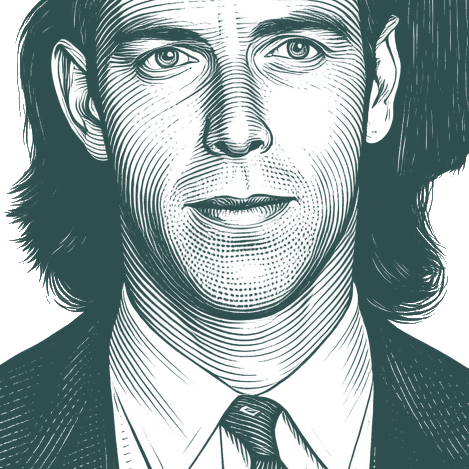
Portrait adapted from
Wikimedia Commons, The University of Vermont Alumni Magazine vol. 39 no. 01, p. 22. (Public domain / CC0)
Also Known As
Alternative Names:
Alan Wilson Watts
•
Alan W. Watts
Part of man’s frustration is that he has become accustomed to expect language and thought to offer explanations which they cannot give. To want life to be “intelligible” in this sense is to want it to be something other than life. It is to prefer a motion-picture film to a real, running man. To feel that life is meaningless unless “I” can be permanent is like having fallen desperately in love with an inch.
Ye suffer from yourselves, none else compels, None other holds you that ye live and die And whir upon the wheel, and hug and kiss its spokes of agony, Its tire of tears, its nave of nothingness.
Unlimited Quote Collections
Organize your favorite quotes without limits. Create themed collections for every occasion with Premium.