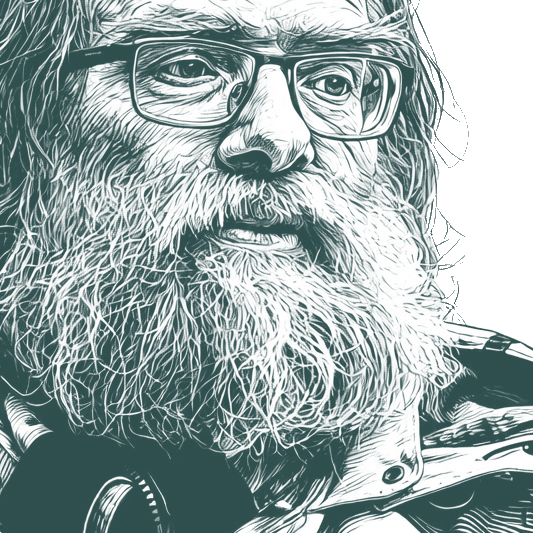
The extreme ignorance and gullibility of the foreign press provides the negationists with a strategic cover. Most English-knowing Indians believe tha… - Koenraad Elst
""
The extreme ignorance and gullibility of the foreign press provides the negationists with a strategic cover. Most English-knowing Indians believe that the Western intelligentsia is more objective and competent, and they keep on believing this even in domains where the West is completely ignorant and incomponent. So the negationists feel supported in the back by an outside world which they can manipulate but which many in India still consider as a standard of truth. If the Hindu leadership had taken the trouble of studying the mental determinants of India's political configuration, it would have blown this cover away by spreading first-hand information to the foreign media, and educating them about the Stalinist-Islamic grip on the Indian establishment... And so, Western India-watchers go on licking the boots of the aggressor, and keep on twisting contemporary news in the media, and to a lesser extent even historical facts in academic publications, to the advantage of the Muslim side. They have not invented the Indian brand of negationism, but they are amplifying and fortifying it.
English
Collect this quote
About
Koenraad Elst
Koenraad Elst (born 7 August 1959) is a Flemish right wing Hindutva author, known primarily for his support of the Out of India theory and the Hindutva movement. Scholars have accused him of harboring Islamophobia.
A few more examples of how Western India-watchers swallow Indian secularist disinformation. The pro-Ram Janmabhoomi demonstration in Delhi on 4 April 1991 was not reported in 99% of the Western papers and electronic news channels. I have inquired among journalists about what they had received on their telexes concerning the largest-ever demonstration in the biggest democracy in the world. It turned out that these had mentioned 3 lakh demonstrators (when even the government-controlled police had given the estimate of 8 lakh), and not made the object of the demonstration clear at all. The Indian sources had deliberately blurred and minimized the information, so that the Western media had, in good faith, not deemed it worth mentioning.
The ideal of Pakistan was launched by Iqbal in 1930, and in 1940 it became the official political goal of the Muslim League. has often been described as the cradle of Pakistan. From their better knowledge of and appreciation for modern culture, the Aligarh thinkers accepted the modern value of religious tolerance. Not to the extent that they would be willing to co-exist with the Hindus in a single post-colonial state, but at least to this extent that they wanted to do something about the image of intolerance which Islam had come to carry. Around 1920 Aligarh historian Mohammed Habib launched a grand project to rewrite the history of the Indian religious conflict.
Enhance Your Quote Experience
Enjoy ad-free browsing, unlimited collections, and advanced search features with Premium.
One imagines the scornful secularist reaction if the Vishva Hindu Parishad had based its Ayodhya claims on a dream; yet, the numerous Christians in India’s secularist coalition have not made any plans to relinquish the Church’s dream-based claims on the pilgrimage sites in Palestine.