عندما يكون ما تقوم به الحكومة متاحا بالكامل لفحص مواطنيها وخاضعا للمناقشة والجدال الفعال، يصبح من الصعب إخفاء الاستخدام الفاسد للسلطة العامة من أجل م… - Al Gore
""
عندما يكون ما تقوم به الحكومة متاحا بالكامل لفحص مواطنيها وخاضعا للمناقشة والجدال الفعال، يصبح من الصعب إخفاء الاستخدام الفاسد للسلطة العامة من أجل مكاسب شخصية، وإذا كان حكم العقل هو المعيار الذي يقوّم به كل استخدام للسلطة الرسمية، يمكن عندئذ لجماعة المواطنين الواعية الكشف عن أشد خطط خرق الثقة العامة تعقيدا وضبطها، إضافة إلى ذلك فإنه عندما تصعد الأفكار أو تهبط حسب جدارتها، يميل العقل إلى دفعنا في اتجاه قرارات تعكس أفضل المتاح من حكمة الجماعة كلها.
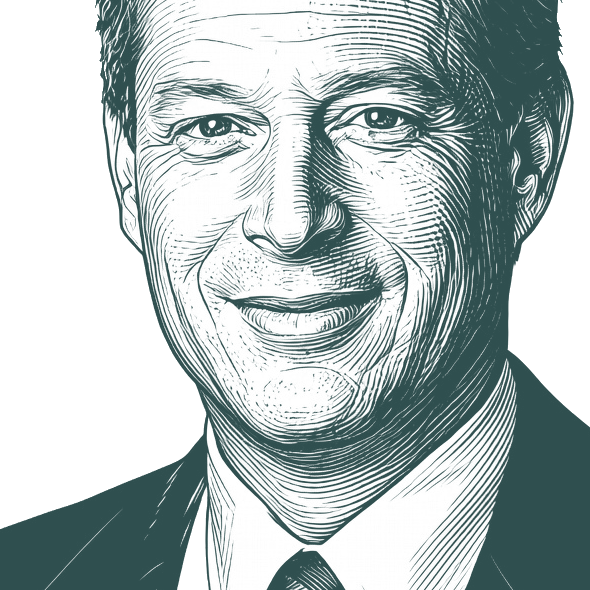
Albert Arnold Gore, Jr. (born 31 March 1948) is an American politician and social activist. The son of Albert Gore and the husband of Tipper Gore, he was the 45th vice president of the United States of America and winner of the 2007 Nobel Peace Prize, which he shared with the United Nations Intergovernmental Panel on Climate Change.
Biography information from
Wikiquote·
Portrait adapted from
Wikimedia Commons, Unknown photographer (Public domain / CC0)
Also Known As
Birth Name:
Albert Arnold Gore Jr.
Alternative Names:
Albert Arnold Gore
•
Albert Gore
•
Al Gore Jr.
•
Albert Arnold "Al" Gore Jr.
•
Albert Gore Jr.
•
Gore
•
Albert Arnold Gore, Jr.
Today, at the dawn of the 21st Century, we need a foreign policy that addresses the classic security threats — and understands the new ones as well. We need a new approach for a new century — grounded in our own economic and security interests, but uplifted by what is right in the world. We need to pursue a policy of "forward engagement" — addressing problems early in their development before they become crises; addressing them as close to the source of the problem as possible; and having the forces and resources to deal with those threats as soon after their emergence as possible.
Now the U.S. Supreme Court has spoken. Let there be no doubt, while I strongly disagree with the court's decision, I accept it. I accept the finality of this outcome which will be ratified next Monday in the Electoral College. And tonight, for the sake of our unity as a people and the strength of our democracy, I offer my concession. I also accept my responsibility, which I will discharge unconditionally, to honor the new President-elect and do everything possible to help him bring Americans together in fulfillment of the great vision that our Declaration of Independence defines and that our Constitution affirms and defends.
Works in ChatGPT, Claude, or Any AI
Add semantic quote search to your AI assistant via MCP. One command setup.
One of the truly bad things about our politics is that it incites each administration to attack every last thing its predecessor has done, and to either tear down what was left or rename it so that its parentage can be forgotten. We did some of that — but we also kept a lot of what we inherited from the first Bush administration and we protected it and built upon it. The struggle against terror may last for a very long time, even past a shift of parties in power.