The most incurably frustrated—and, therefore, the most vehement—among the permanent misfits are those with an unfulfilled craving for creative work. … - Eric Hoffer
""
The most incurably frustrated—and, therefore, the most vehement—among the permanent misfits are those with an unfulfilled craving for creative work. Both those who try to write, paint, compose, etcetera, and fail decisively, and those who after tasting the elation of creativeness feel a drying up of the creative flow within and know that never again will they produce aught worthwhile, are alike in the grip of a desperate passion. Neither fame nor power nor riches nor even monumental achievements in other fields can still their hunger. Even the wholehearted dedication to a holy cause does not always cure them. Their unappeased hunger persists, and they are likely to become the most violent extremists in the service of their holy cause.
English
Collect this quote
About
Eric Hoffer
Eric Hoffer (25 July 1902 – 21 May 1983) was an American writer on social and political philosophy. His first book, The True Believer: Thoughts On The Nature Of Mass Movements (1951) is widely recognized as a classic on mass-movements and the psychological roots of fanaticism. Despite rising to fame with the success and popularity of his writings, he continued to work as a longshoreman until retiring at age 65.
Biography information from
Wikiquote·
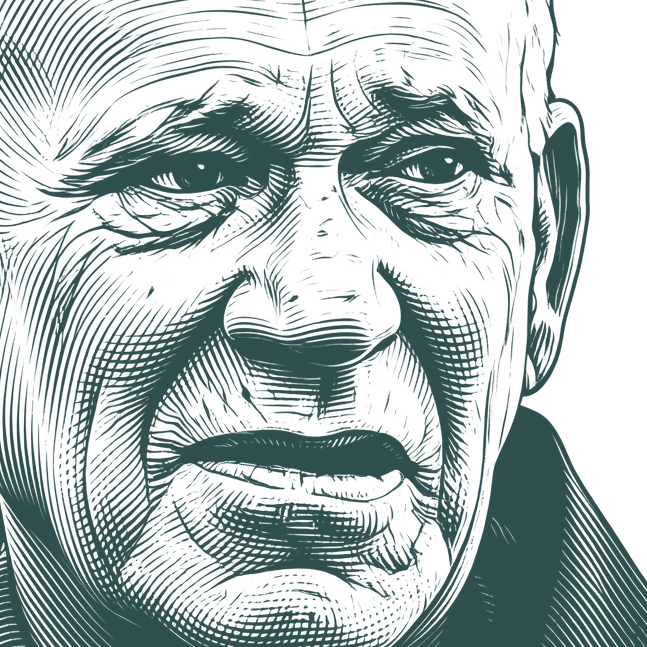
Portrait adapted from
Wikimedia Commons, White House of the President of the United States; uploaded to YouTube by TheLBJLibrary (Public domain / CC0)
Related quotes. More quotes will automatically load as you scroll down, or you can use the load more buttons.
Shorter versions of this quote
The most incurably frustrated — and, therefore, the most vehement — among the permanent misfits are those with an unfulfilled craving for creative work. Both those who try to write, paint, compose, etcetera, and fail decisively, and those who after tasting the elation of creativeness feel a drying up of the creative flow within and know that never again will they produce aught worth-while, are alike in the grip of a desperate passion.
Poverty when coupled with creativeness is usually free of frustration. This is true of the poor artisan skilled in his trade and of the poor writer, artist and scientist in the full possession of creative powers. Nothing so bolsters our self-confidence and reconciles us with ourselves as the continuous ability to create; to see things grow and develop under our hand, day in, day out. The decline of handicrafts in modern times is perhaps one of the causes for the rise of frustration and the increased susceptibility of the individual to mass movements.
Every extreme attitude is a flight from the self.
Unlimited Quote Collections
Organize your favorite quotes without limits. Create themed collections for every occasion with Premium.
إن اليأس الذي تسببه البطالة لا ينبع من خوف الفقر فحسب ، وإنما من مواجهة مستقبل من الفراغ. والعاطلون ينزعون إلى اتباع الذين يبيعونهم الأمل قبل اتباع الذين يقدمون لهم العون