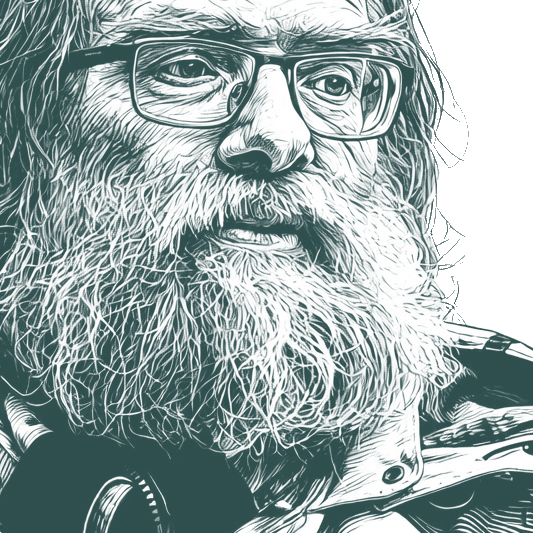
To be sure, the usual suspects are bound to oppose this civilizational viewpoint. With their studied superficiality, the secularists view India as a … - Koenraad Elst
""
To be sure, the usual suspects are bound to oppose this civilizational viewpoint. With their studied superficiality, the secularists view India as a hodge-podge of “communities”, of which a very recent one, concocted by the “Orientalists”, is Hinduism. Just as I finish this article, my attention is drawn to a French magazine celebrating the appointment of an Indian secularist historian to the Collège de France with an interview. There, he speaks out against the very notion of a Hindu civilization. The whole is not real, only the fragments are. The notion of an over-arching civilizational unity and long-term continuity may be obvious in China, and get applause there, but in India it is “communal!” (Ch 18)
English
Collect this quote
About
Koenraad Elst
Koenraad Elst (born 7 August 1959) is a Flemish right wing Hindutva author, known primarily for his support of the Out of India theory and the Hindutva movement. Scholars have accused him of harboring Islamophobia.
Imagine the shrieks and howls in the secularists media in case of such a clear rejection of Islam's pretences, and you will understand why Hindu leaders shy away from it. But let then pause and think: is not braving the pandemonium of secularist indignation preferable to (self-) censoring the truth about Hindu society's mortal enemy? The European humanists (deists as well as atheists) who attacked the power position of Christianity, were very clear about their objective: Ecrasez l'Infame!
So, the missionaries' rendering of the alleged RSS view of history is hardly incriminating, except that their own whitewash of these violent invasions incriminates them as moral accomplices to aggression and war crimes... the whole "glaring parallel" exists onnly in the eye of the missionary beholder.
Enhance Your Quote Experience
Enjoy ad-free browsing, unlimited collections, and advanced search features with Premium.
It is only in the mid-1990s that I took an interest in European neo-Paganism, partly on Ram Swarup's advice.....I have also never participated in any of the meetings of the various embryonic attempts at creating a "Pagan international", whether the Pagan Federation, the World Council of Ethnic Religions or the World Council of the Elders of the Ancient Traditions and Cultures. But I wish them all the best, for they consist mostly of nice people and I can easily see through the attempts by so-called secularists to blacken them and to deny to them the right of international networking which is deemed only natural in the case of Christians or Muslims.