Capek lamó a estos seres humanos artificiales robots, que era una palabra checa para «trabajadores forzados» o «esclavos». De hecho, las siglas del t… - Isaac Asimov
""
Capek lamó a estos seres humanos artificiales robots, que era una palabra checa para «trabajadores forzados» o «esclavos». De hecho, las siglas del título de la obra proceden de «Robots Universales de Rossum», el nombre de la compañía del héroe.
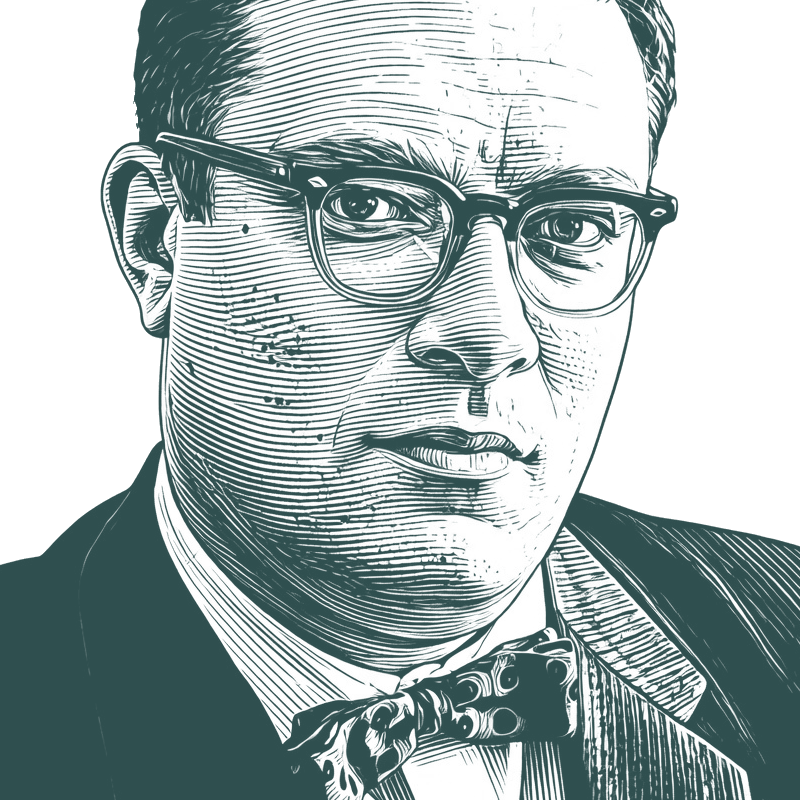
Isaac Asimov (c. 2 January 1920 – 6 April 1992) was a Russian-born American biochemist who was a prolific writer of both fiction and non-fiction, his works include the Foundation series and I, Robot.
Biography information from
Wikiquote·
Portrait adapted from
Wikimedia Commons, Phillip Leonian [1] from New York World-Telegram & Sun.[2] (Public domain / CC0)
Also Known As
Alternative Names:
Isaak Osimov
•
Paul French
•
Asimov
•
Isaak Ozimov
•
Itzhak Ozimov
Portrait from Wikimedia Commons. Credit: Phillip Leonian [1] from New York World-Telegram & Sun.[2]. Used under Public domain / CC0. Processed and styled by Quotewise.
Works in ChatGPT, Claude, or Any AI
Add semantic quote search to your AI assistant via MCP. One command setup.
In ironing out the disasters of Reality, Eternity rules out the triumphs as well, It is in meeting the great tests that mankind can most successfully rise to great heights, Out of danger and restless insecurity comes the force that pushes mankind to newer and loftier conquests, Can you understand that? Can you understand that in averting the pitfalls and miseries that beset man, Eternity prevents men from finding their own bitter and better solutions, the real solutions that come from conquering difficulty, not avoiding it.
Anti-intellectualism has been a constant thread winding its way through our political and cultural life, nurtured by the false notion that democracy means that 'my ignorance is just as good as your knowledge.
Unlimited Quote Collections
Organize your favorite quotes without limits. Create themed collections for every occasion with Premium.
The "Society for Humanity" is a Northern organization, primarily, you know, and they make no secret of not wanting the Machines. — Susan, they are few in numbers, but it is an association of powerful men. Heads of factories; directors of industries and agricultural combines who hate to be what they call "the Machine's office-boy" belong to it. Men with ambition belong to it. Men who feel themselves strong enough to decide for themselves what is best for themselves, and not just to be told what is best for others.["](from The Evitable Conflict, 1950)